Switzerland Itinerary: 5 Must-See Places Between Bern and the Bernese Oberland
Testimonials
21.05.2026
Switzerland is a destination that can be explored just as easily by road as it can from the summit of hiking trails. For this spring trip, we’ve chosen to explore part of the Bernese Oberland and central Switzerland, with several must-see stops: Stoos and the Fronalpstock, Bern, the famous Blausee, the magnificent Oeschinensee, and Spiez on the shores of Lake Thun.
On the itinerary: scenic hikes, car-free villages, crystal-clear mountain lakes, and some of Switzerland’s most beautiful alpine landscapes.
Hike from Fronalpstock to Stoos: One of Switzerland’s Most Beautiful Panoramic Views
During our spring trip to Switzerland, we decided to head to the Stoos area to kick off our Swiss getaway and go on a “classic” hike in the region.
Well-known among locals, the Klingenstock-Fronalpstock hike is a must-do in this region. Stoos is a small resort located in the canton of Schwyz. Nestled at an altitude of 1,300 meters, the village is unique in that it is 100% car-free and is known for its breathtaking view of Lake Lucerne from the ridges overlooking it.
So it’s impossible to drive to the small resort of Stoos… To get to the village, there are roughly three options:
The “Stoosbahn” funicular—the steepest funicular in the world!
The chairlift from Morschach
Hike up on foot! Routes are available from both parking lots (Morschach and Stoosbahn). Note, however, that this will add between 500 and 800 meters of elevation gain to your hike.
Unfortunately, much to our regret, the Stoosbahn funicular was closed for construction.
Inaugurated in 2017, the Stoos funicular holds the distinction of being the steepest in the world that is open to the public. At its steepest point, the gradient is 110%. The Stoos funicular is one of those technological inventions… In fact, this mode of transportation has a truly unique design: there are four “cabs,” each perfectly round. The idea is that the “ball” rotates as the slope steepens, allowing passengers to remain perfectly upright and not feel the incline.
So we promised ourselves we’d come back specifically to ride the funicular again when the chance arose.
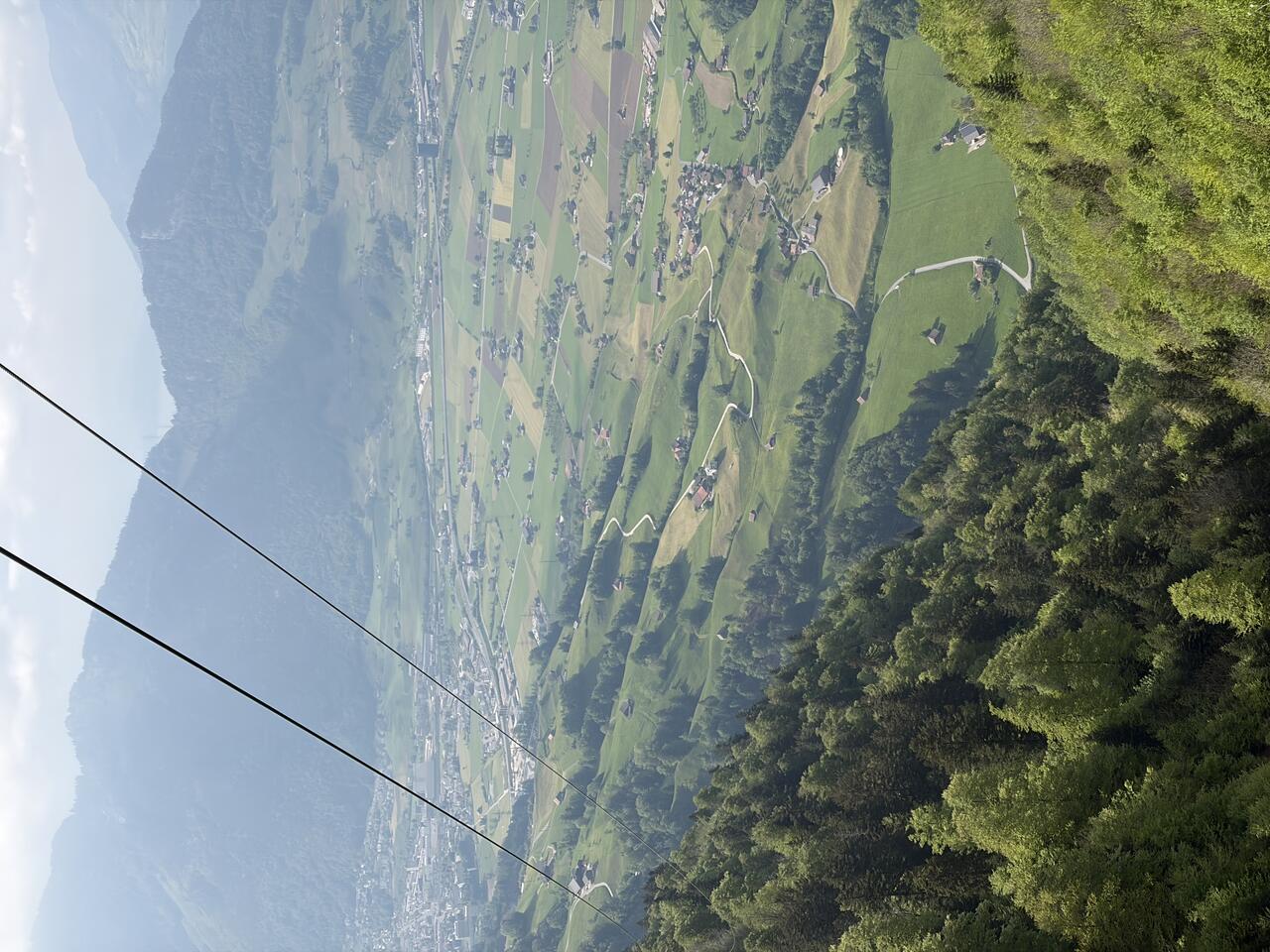
To get to the village of Stoos quickly, we decided to take the chairlift. From Stoos, the most common route for hikers is to take the Klingenstock chairlift to reach the ridge trail directly… but SURPRISE—it was also out of service at this time of year.
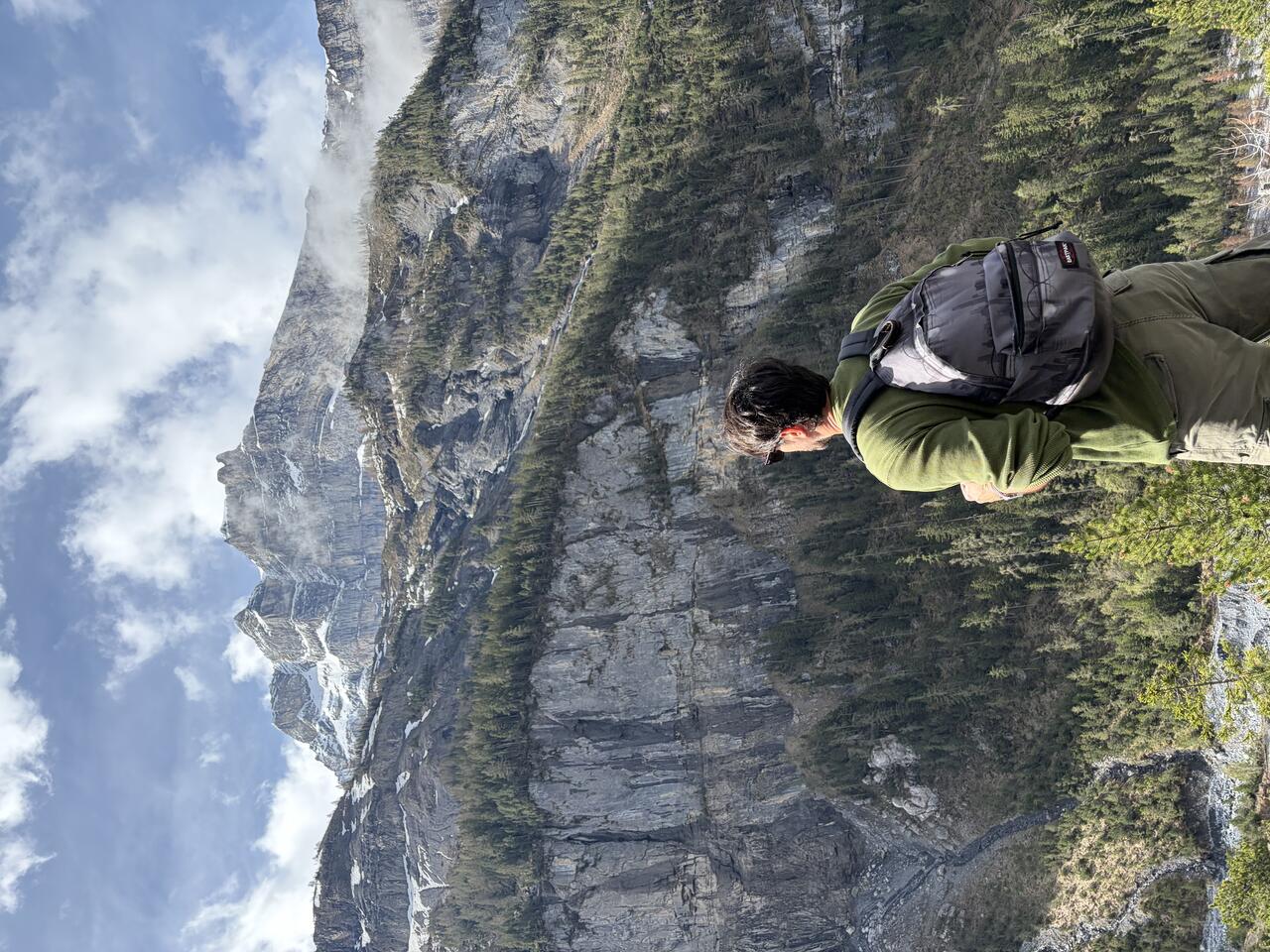
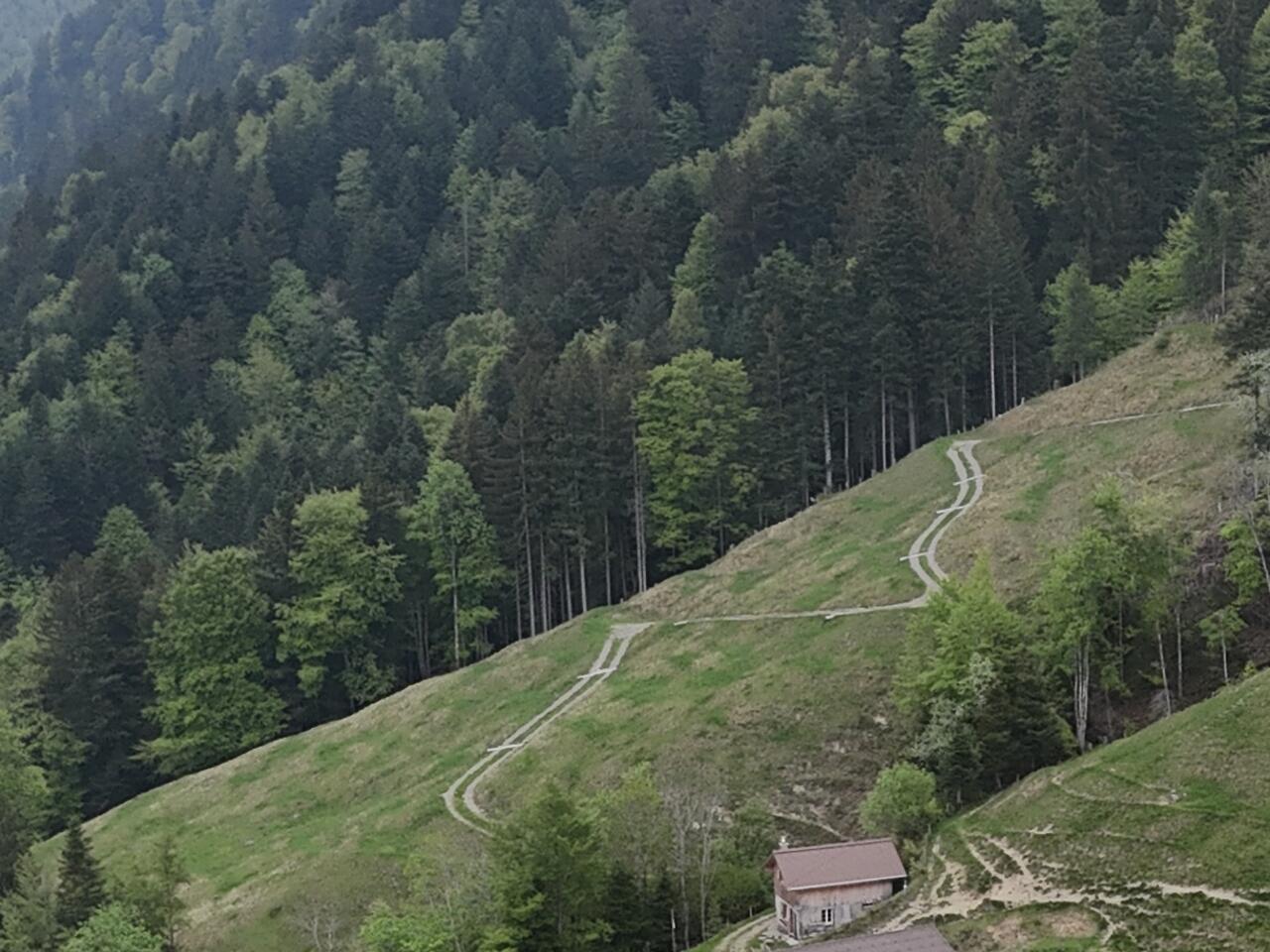
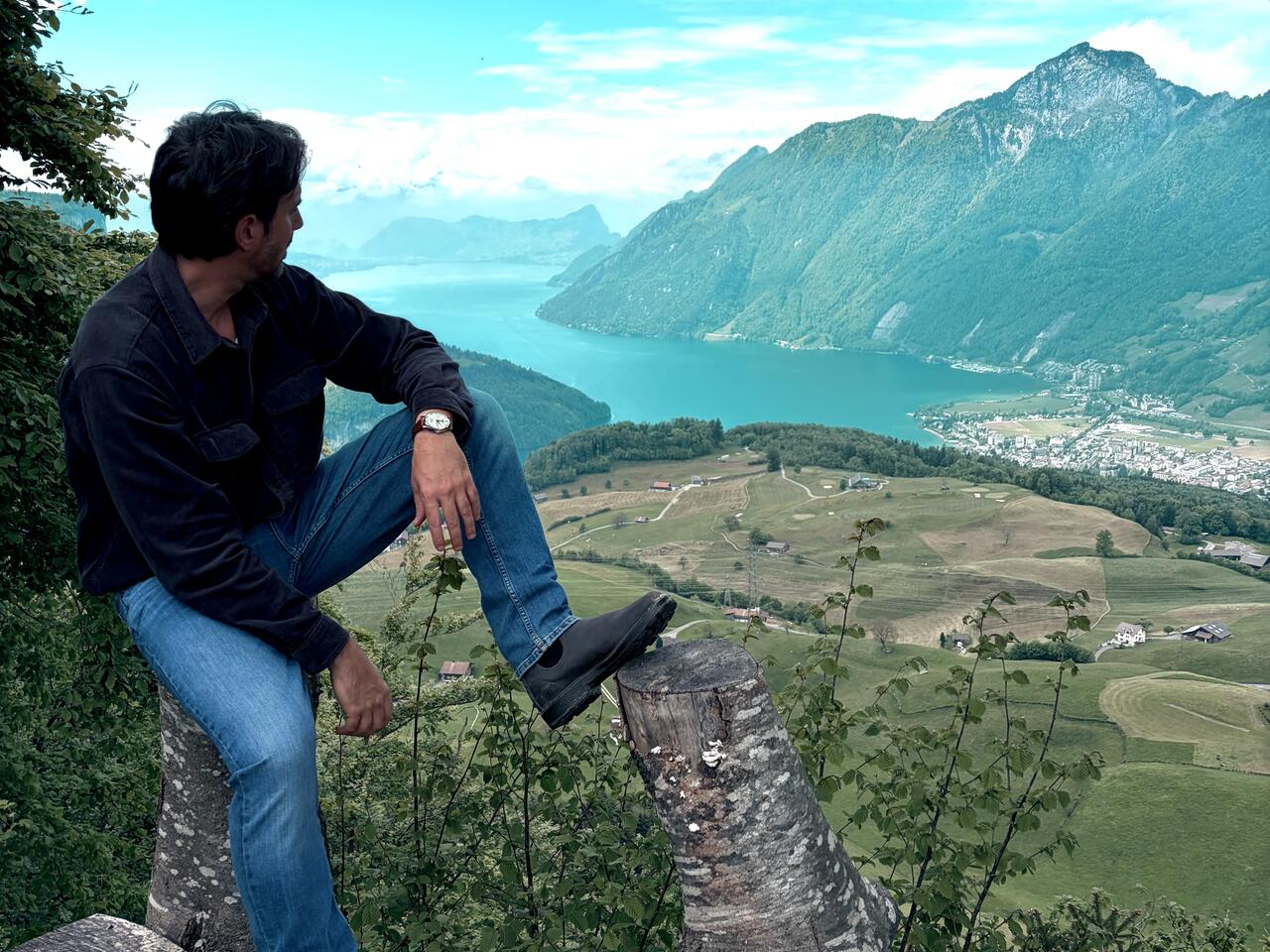
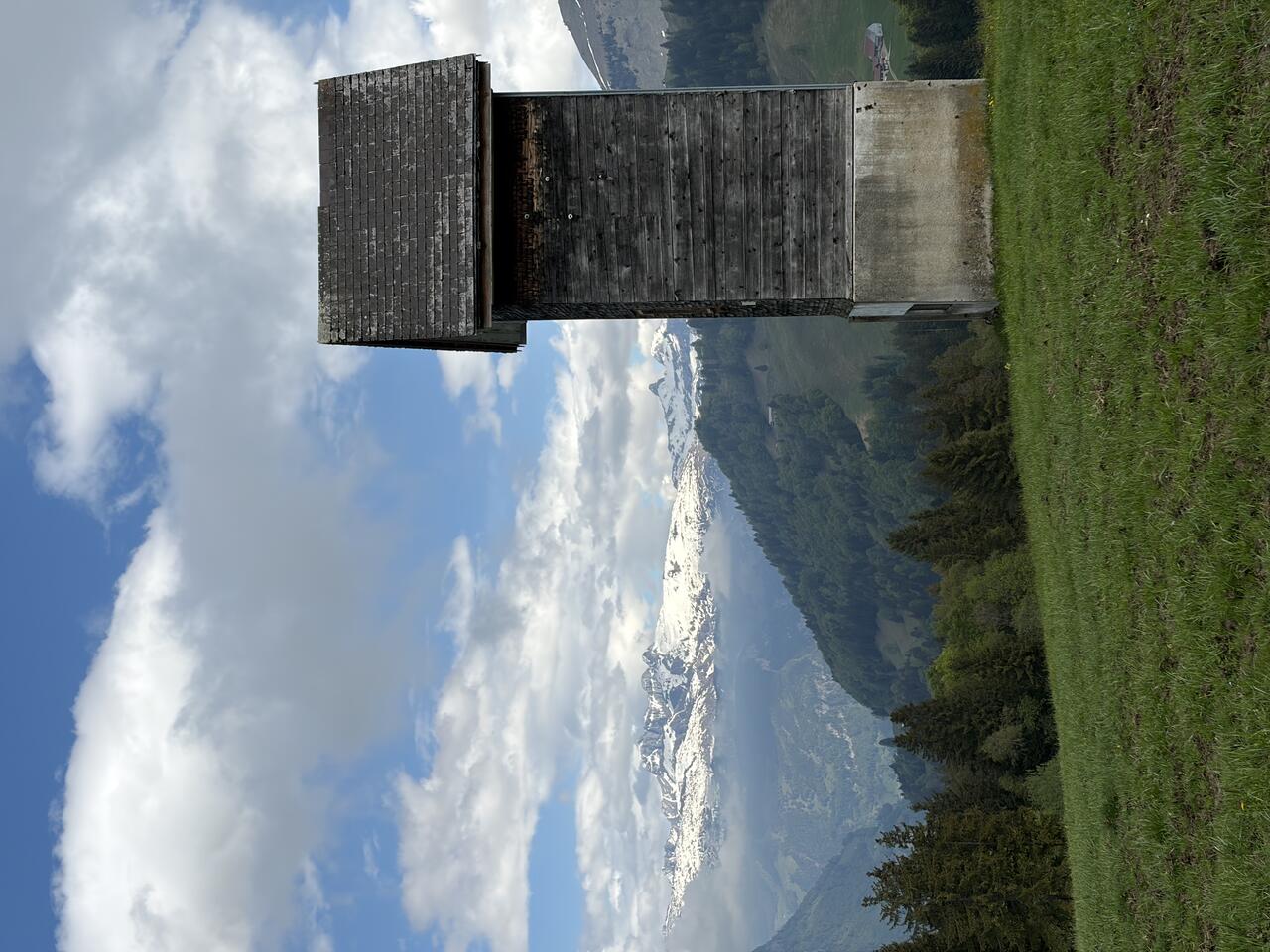
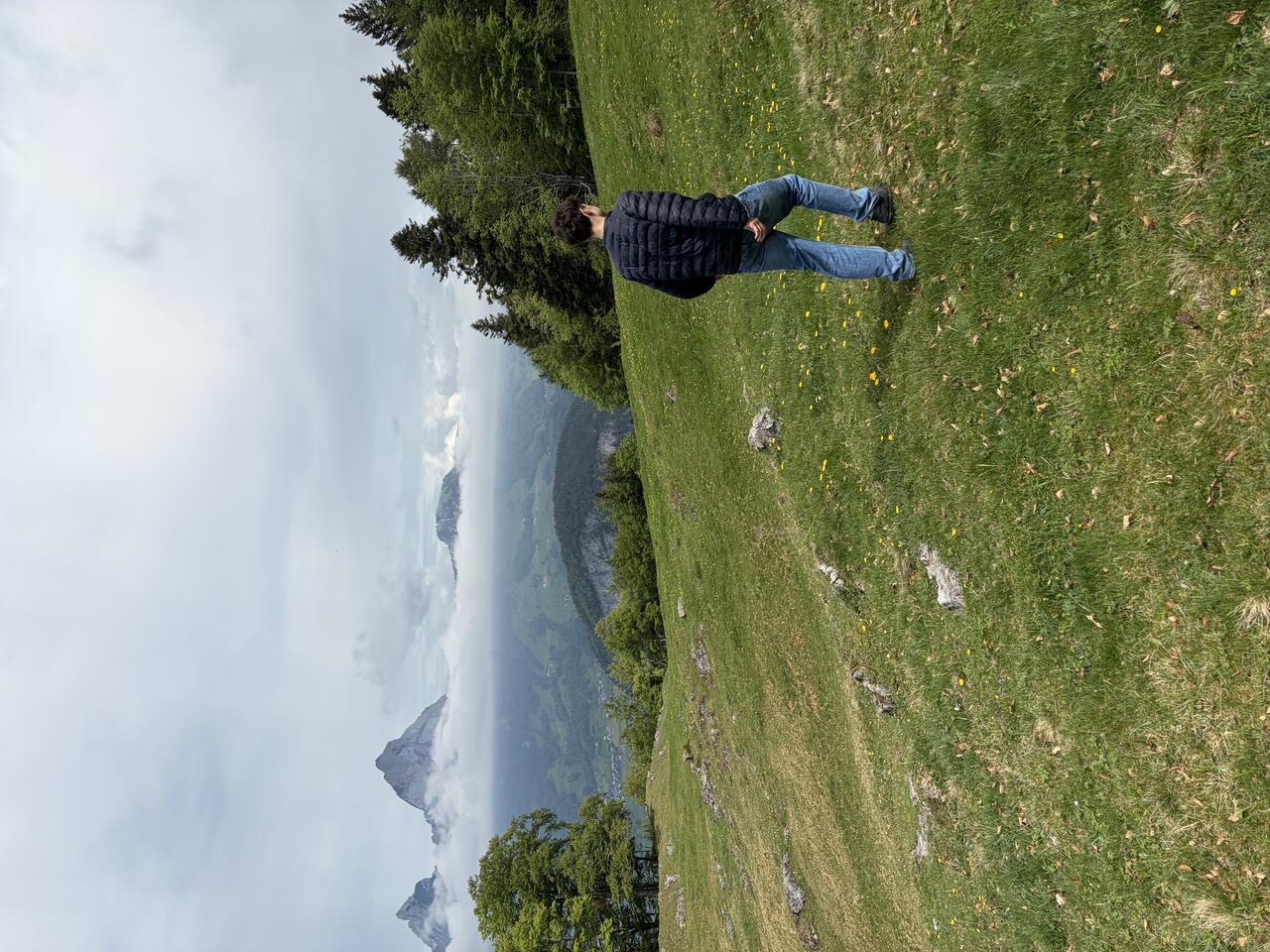
So we decided to walk to the Bäretros Stoos viewpoint. This scenic hike begins near the upper station of the Morschach-Stoos cable car. The trail winds through a shaded forest before reaching the alpine pastures of Alp Eu. The ascent to Fronalpstock follows the Bäretros trail, which requires sure-footedness. As we make our way up, we enjoy a spectacular view of the Schwyz Valley, the lakes, and the Alps. Halfway up the Fronalpstock, we reach the ridge just before the chairlift arrives. From this spot, the view is already breathtaking.
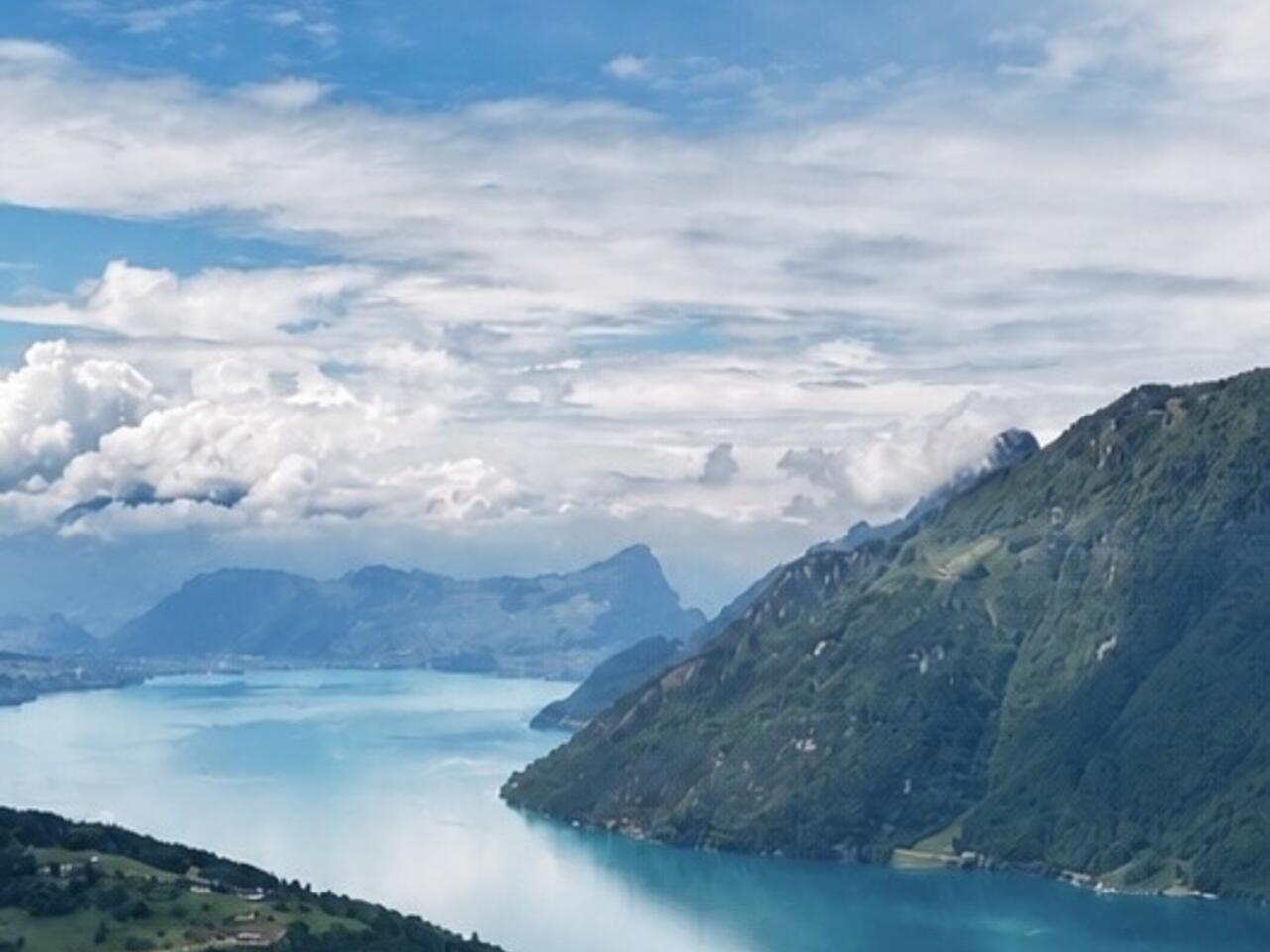
Lake Lucerne has a striking silhouette, with its many arms stretching out between the mountains like tentacles. At the end of the hike, the terrain alternates between steep ascents and descents, but the scenery is magnificent… See for yourself!
Visiting Bern: What to See in the Swiss Capital?
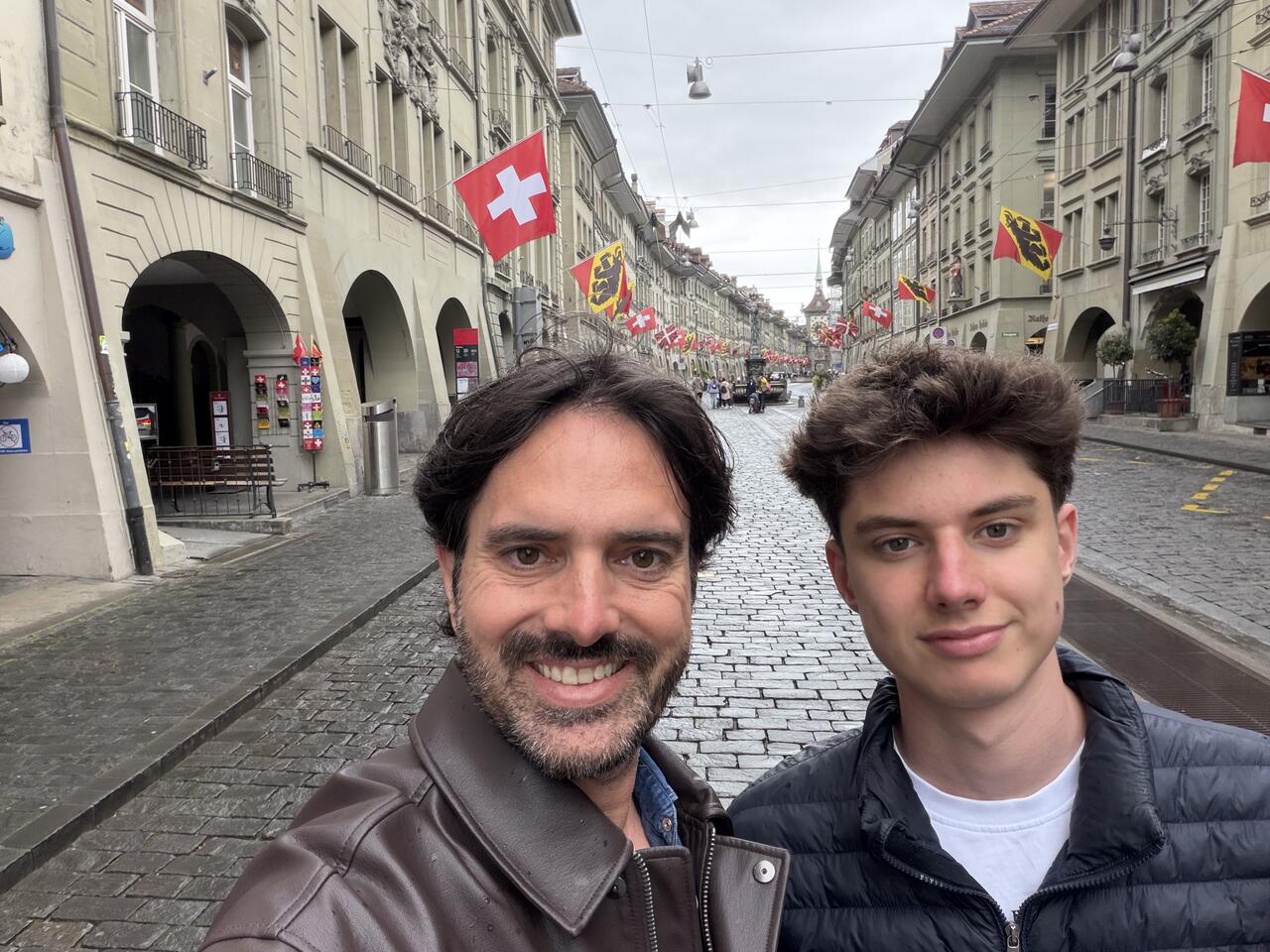
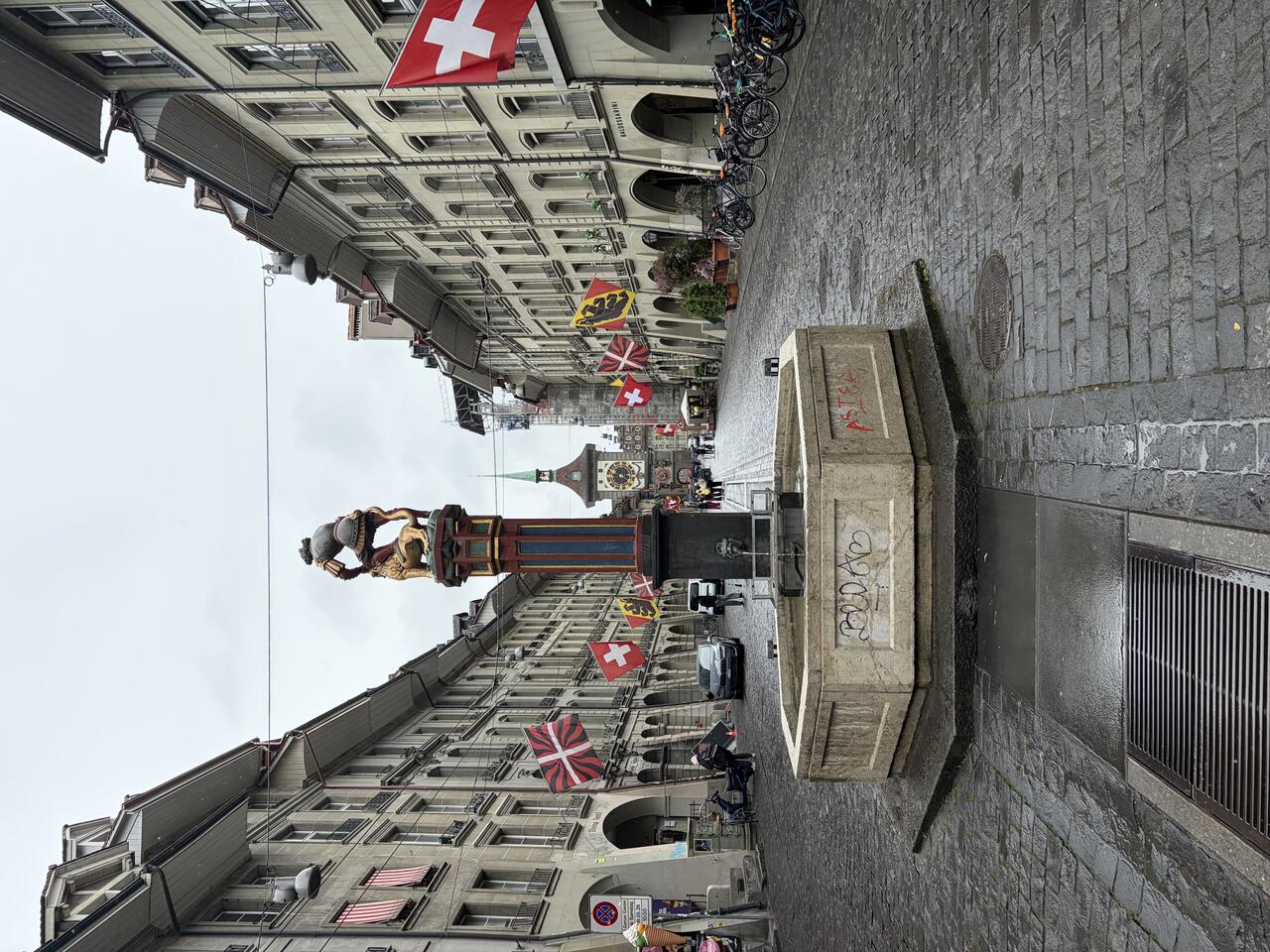
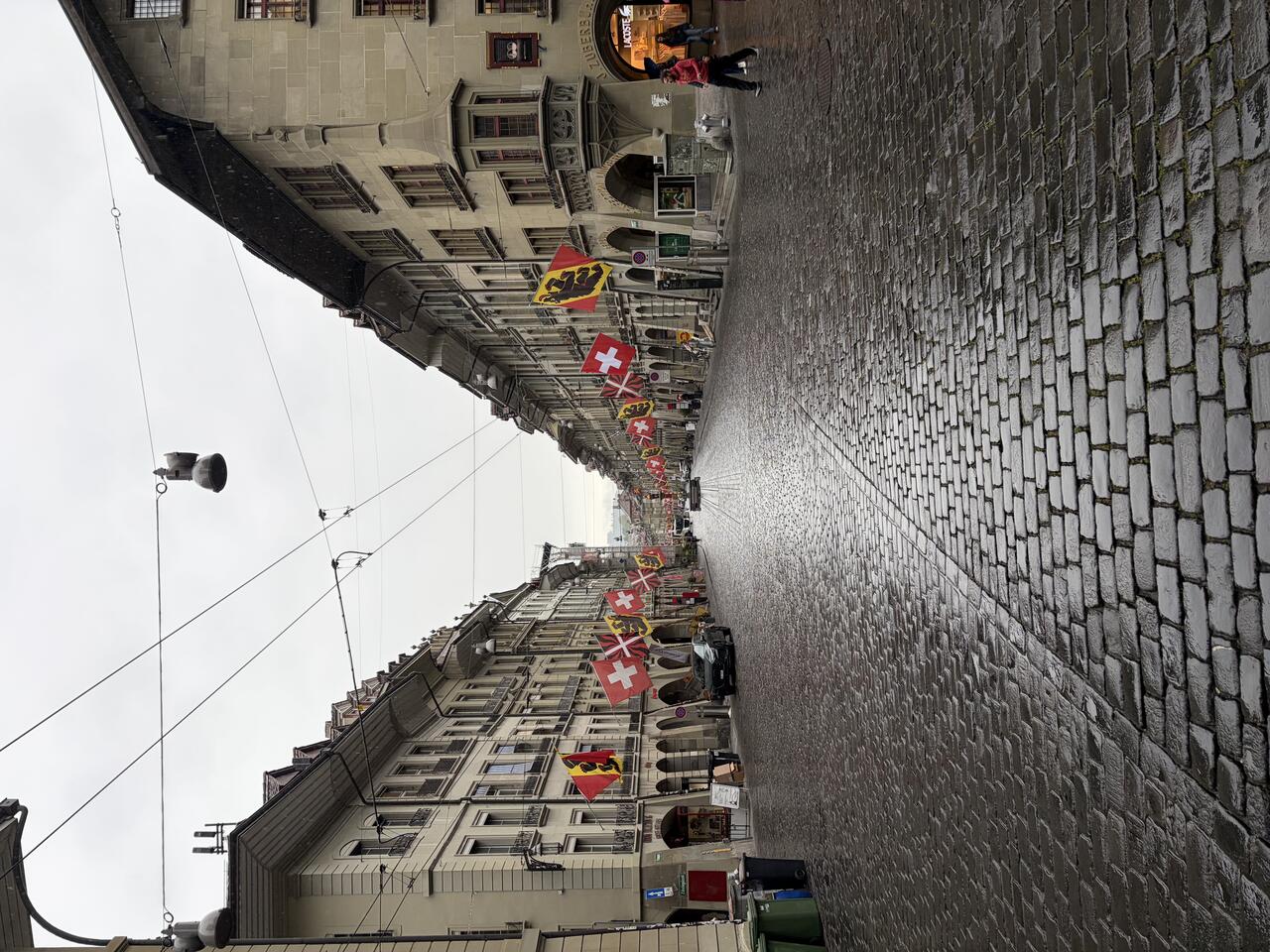
The next day, we set out to explore Bern. The historic center, a UNESCO World Heritage Site, is best explored on foot. The plan for the day? Well, there really isn’t a plan—just getting lost in the cobblestone streets and admiring the medieval houses and allegorical fountains.
Bern is the capital of Switzerland and the capital of the canton of the same name. It’s a city where history, nature, and modernity blend perfectly. Its old town is every bit as impressive as those in other Swiss cities like Zurich or Basel.
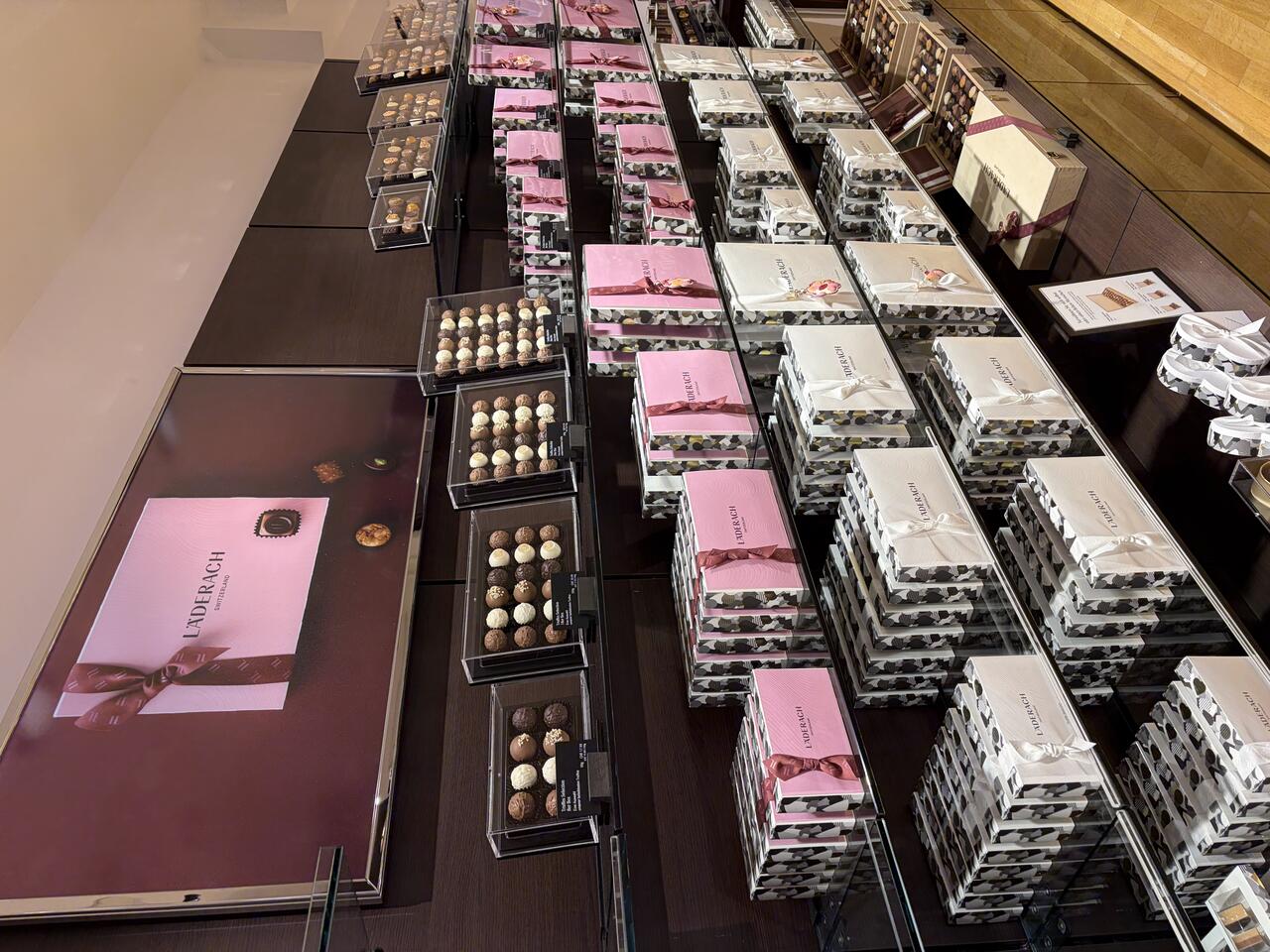
Bern’s arcades (Lauben in German) are iconic. Built during the reconstruction following a fire in the Middle Ages, they line most of the main streets. Today, they house shops, cafés, and restaurants. In rain or snow, they’re perfect for staying dry. A great place to stroll, window-shop, or stop for a coffee. Some arcades hide real gems — small artisanal shops — ideal for finding a souvenir or treating yourself to some delicious Swiss chocolate.
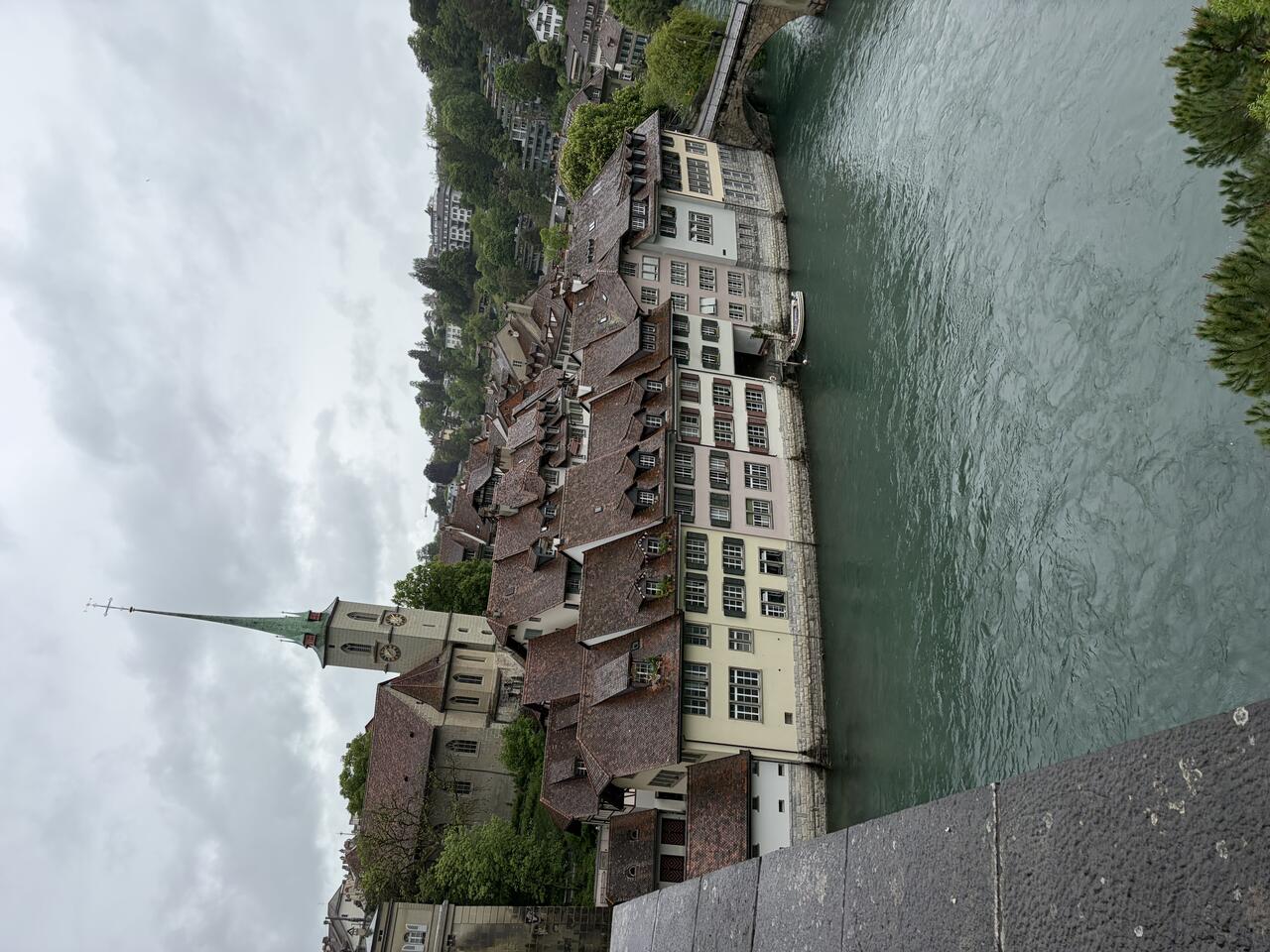
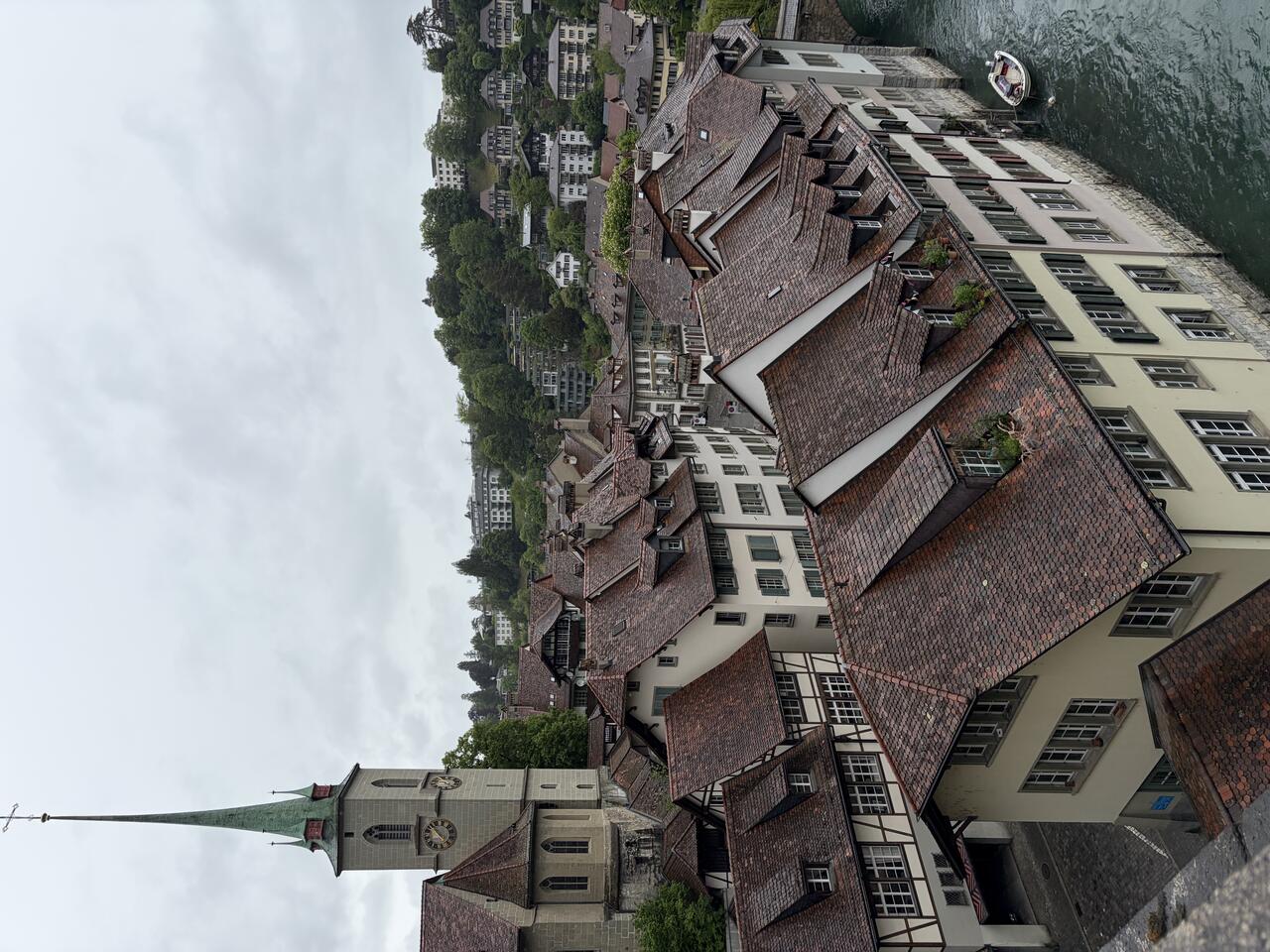
The Aare River winds its way through Bern, giving the city its unique character. A stroll along the Aare offers a chance to see Bern from a different perspective, with its bridges, facades, and church steeples.
You can’t miss the Zytglogge, Bern’s iconic medieval clock tower. For a bit of local culture, “Zytglogge” means “clock tower” in the Bernese dialect.
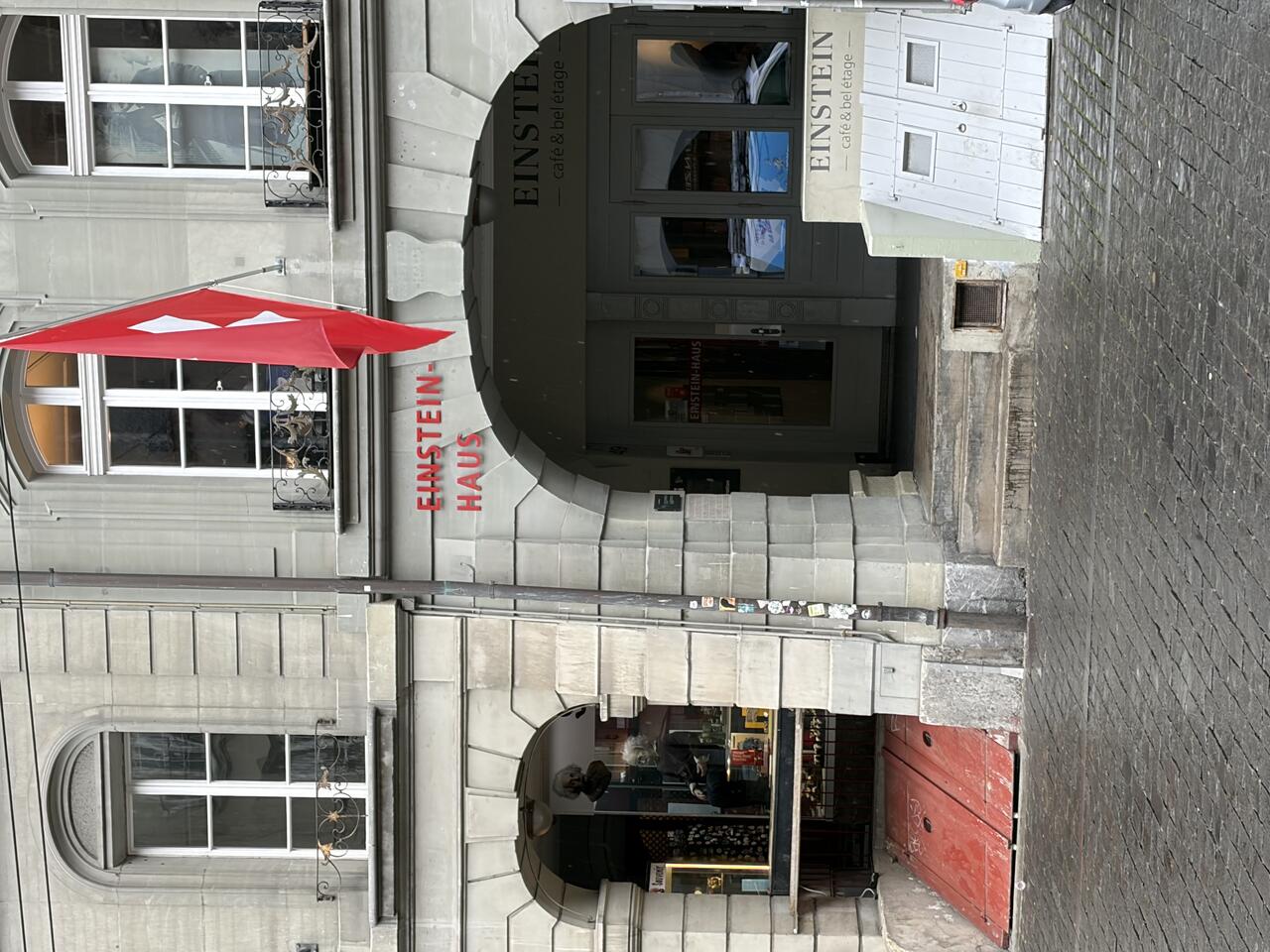
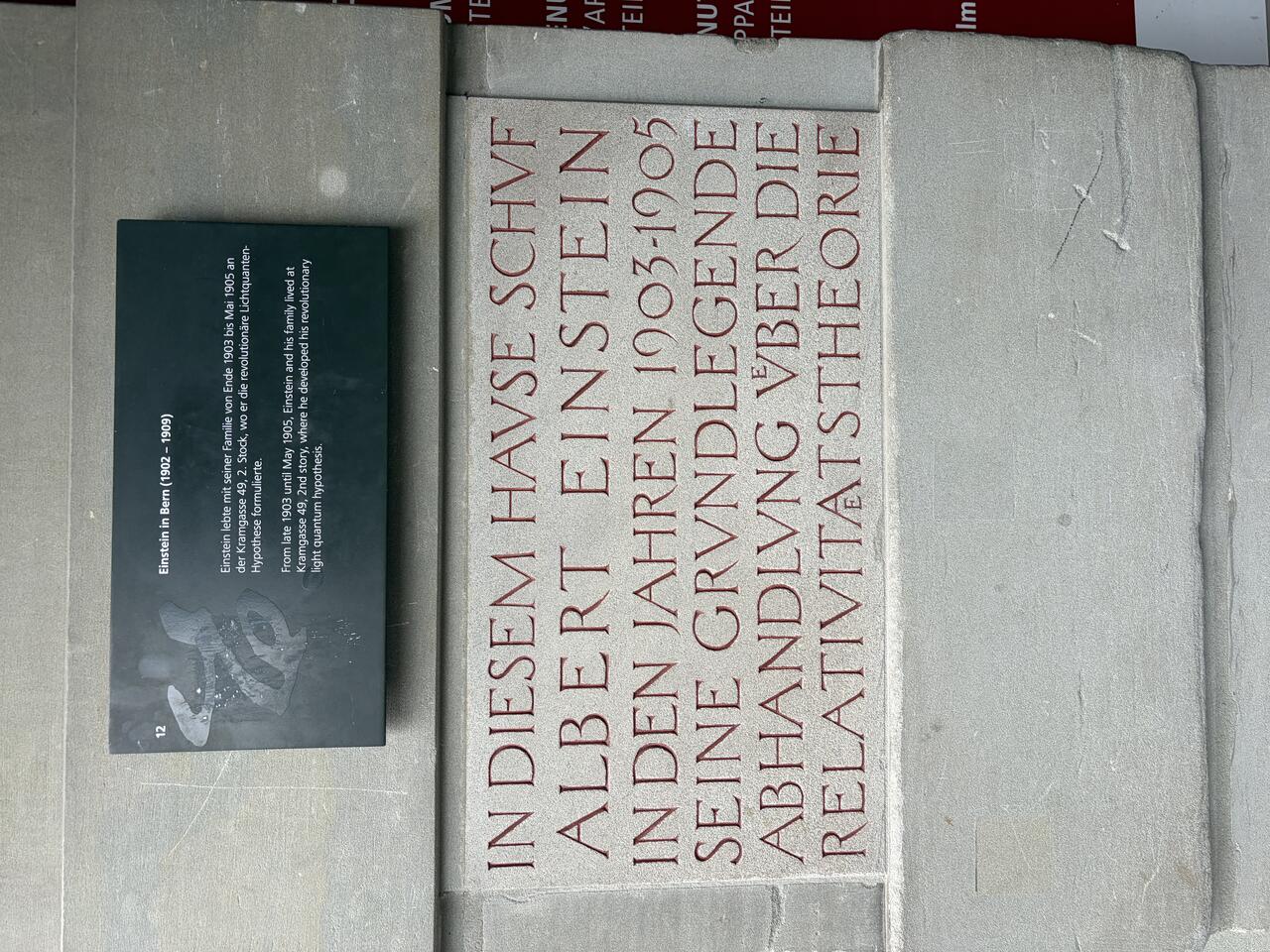
Finally, if I say “the apartment at Kramgasse 49,” it probably doesn’t ring a bell, does it? And yet one of the greatest physicists of all time, Albert Einstein, spent part of his life there. In 1903, he moved with his wife Mileva into a modest apartment on the second floor of a building located at Kramgasse 49, right in the heart of the old town.
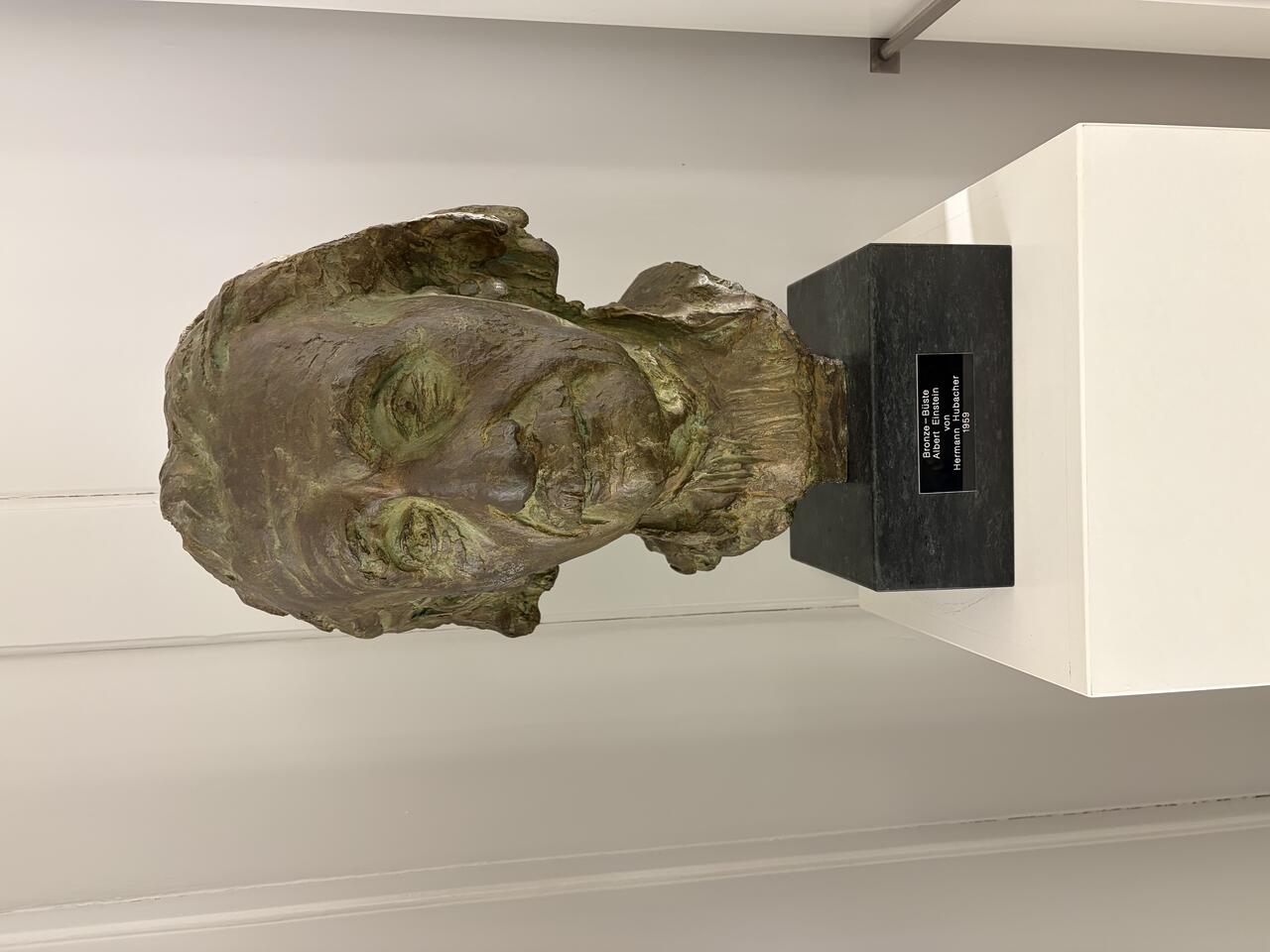
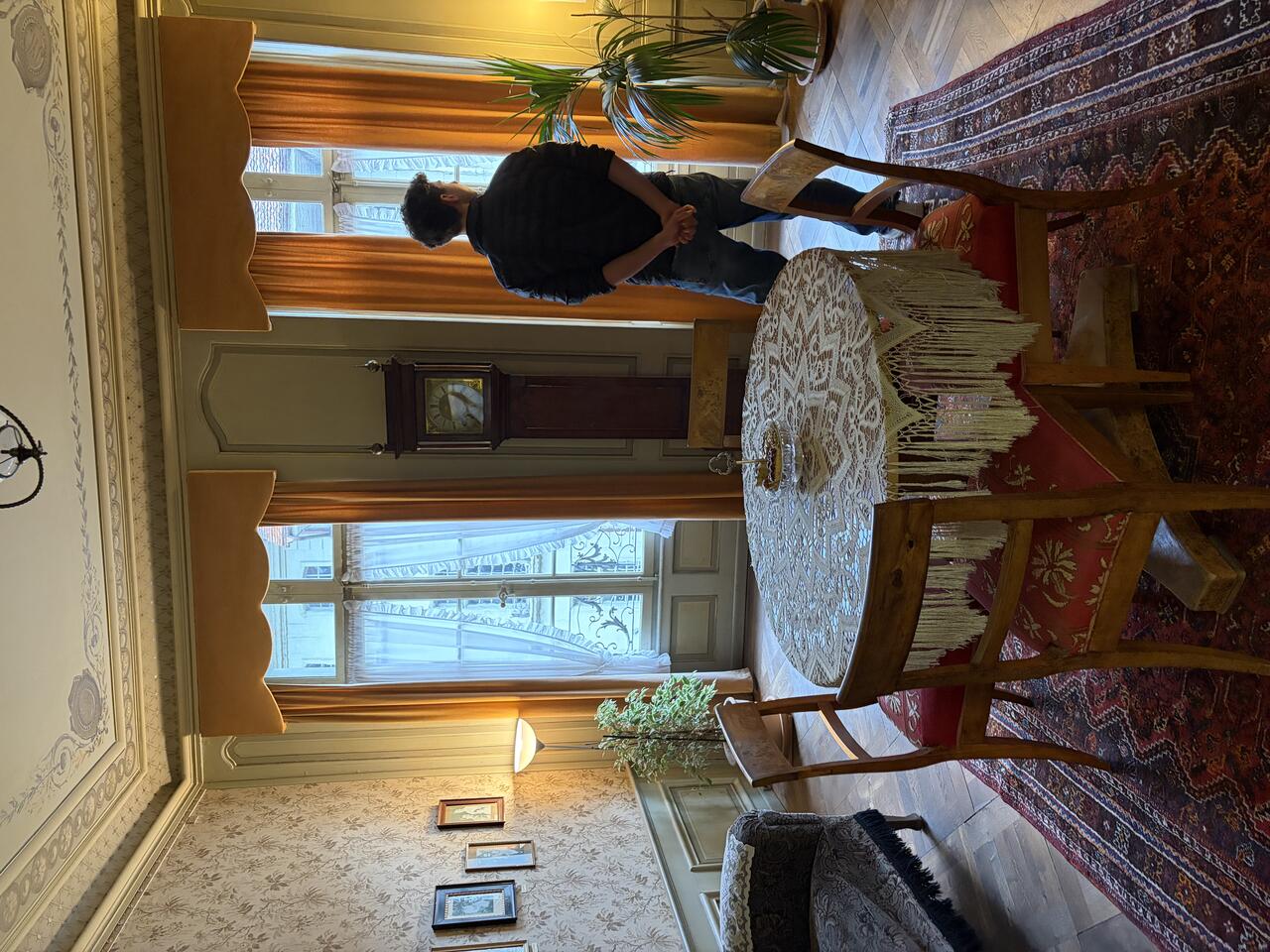
Today, this apartment is open to visitors. It features original furnishings and documents the physicist’s life in Bern. This period also coincides with 1905, Einstein’s “annus mirabilis,” which marked the peak of his scientific creativity. It was in this building that the famous equation E=MC² was born, the renowned theory of relativity.
With its cafés, markets, and Alpine vistas, the Swiss capital charms visitors with its authenticity and peaceful atmosphere.
Blausee: Switzerland’s Most Enchanting Blue Lake
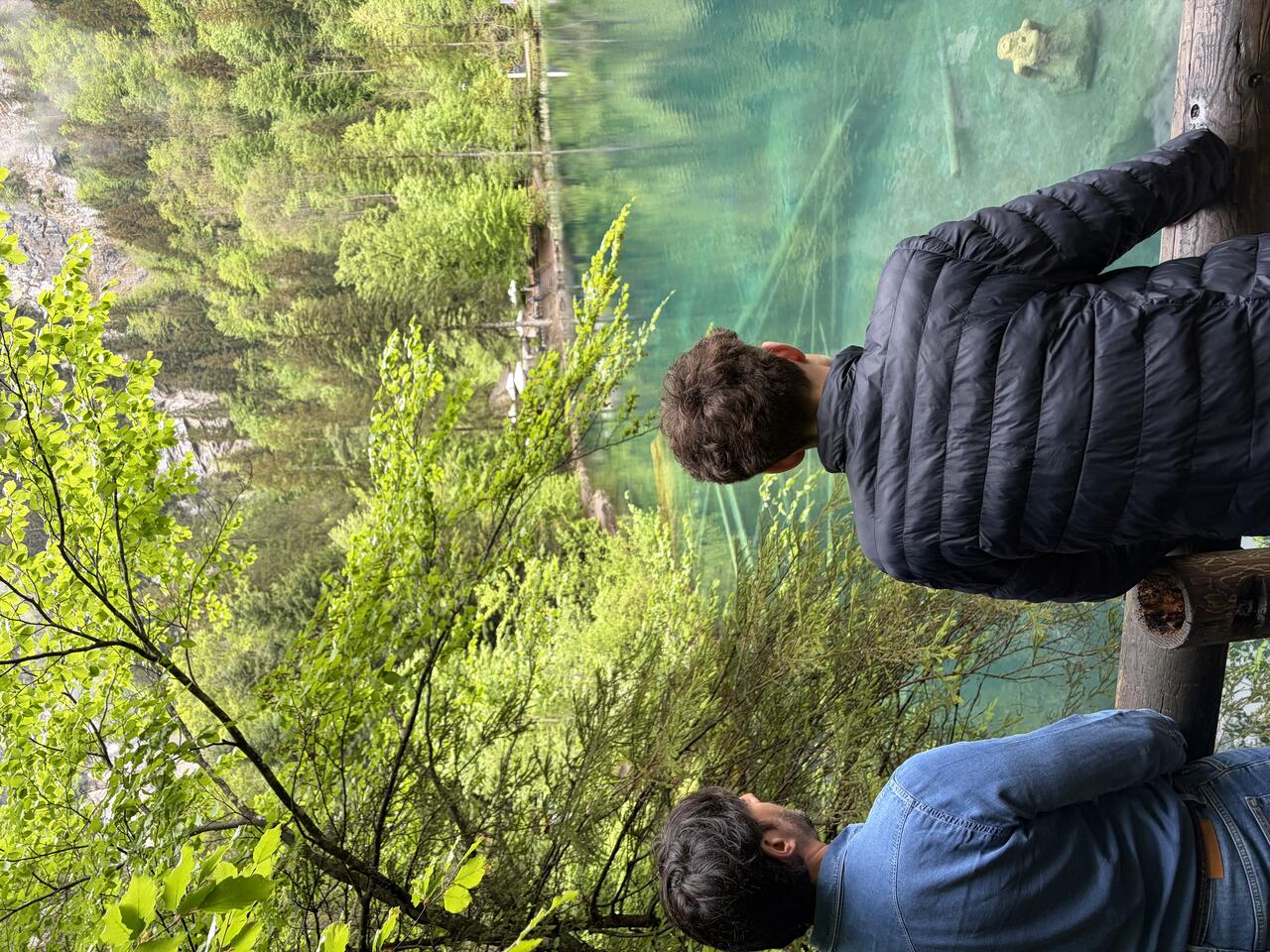
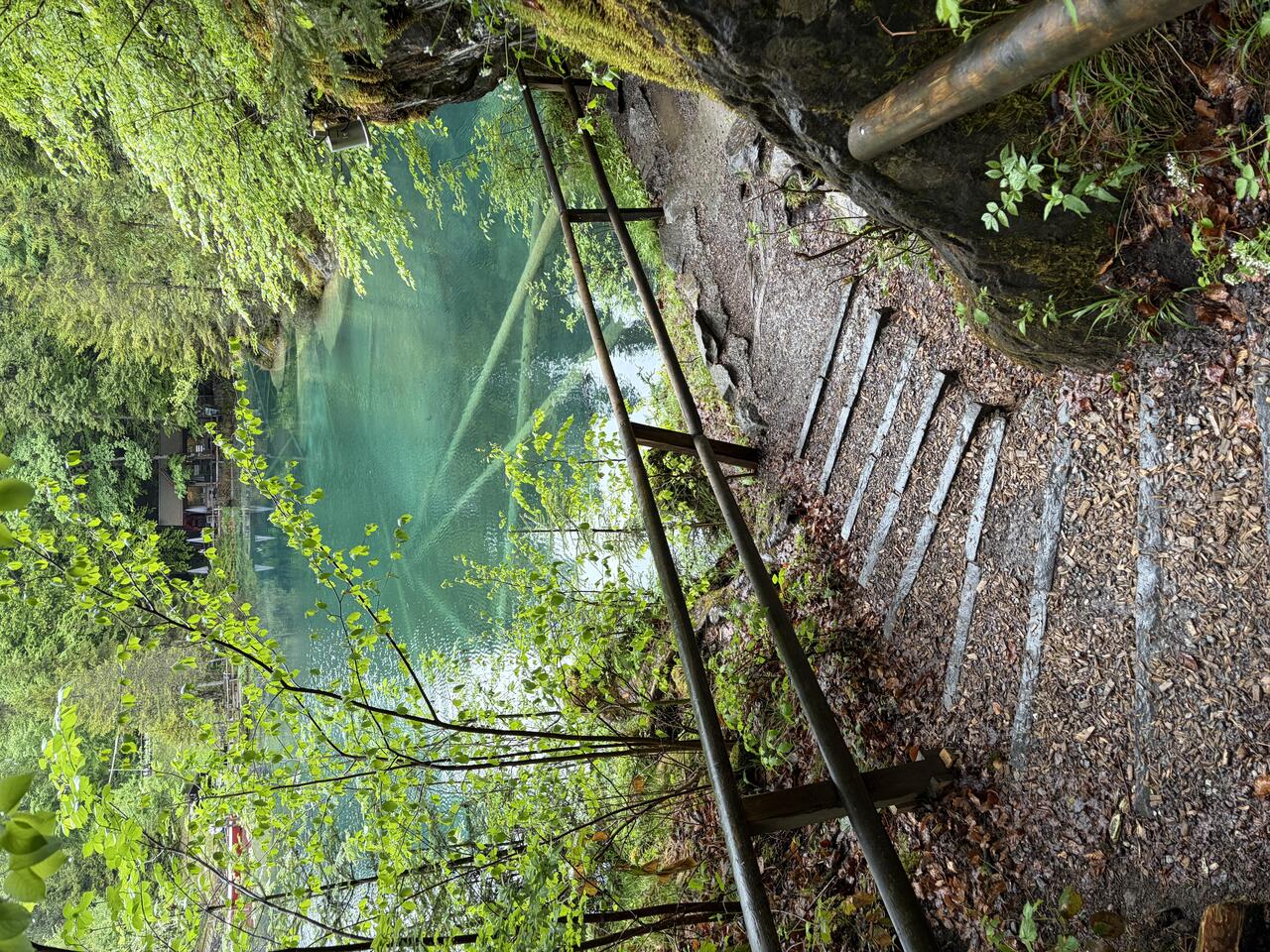
Blausee, or the Blue Lake, is located in the Kander Valley at an elevation of 887 meters. It is surrounded by a nature park covering a total of 20 hectares. It is Switzerland’s most famous mountain lake; even if you don’t go for a swim, you can take a stroll through the forest or take a rowboat to cross it.
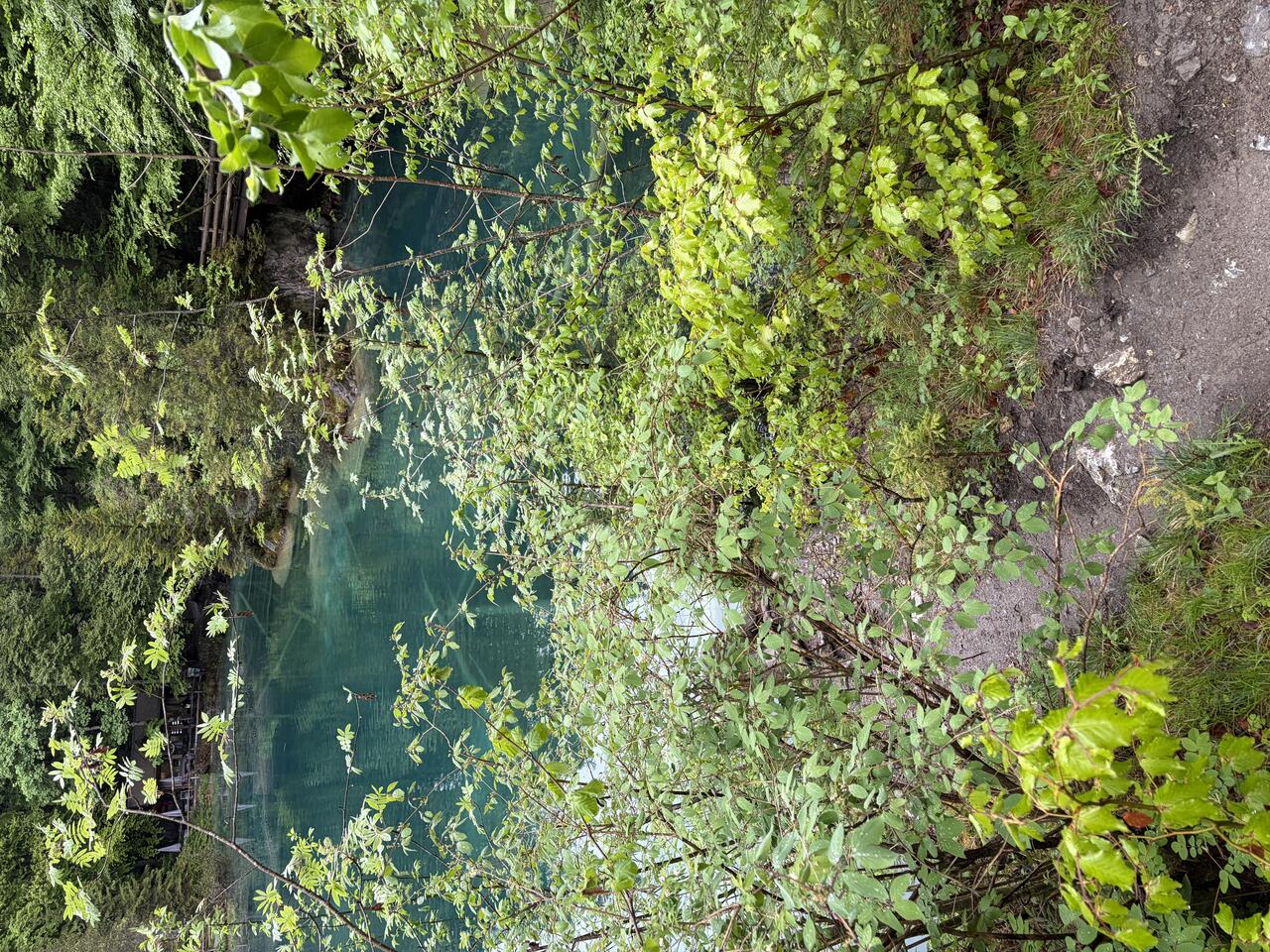
Blausee is a natural gem located in the Bernese Oberland in Switzerland, at the heart of the nature park of the same name. Known for its crystal-clear, deep turquoise-blue water, the lake takes its name from this unique hue. Shrouded in legends, Blausee blends natural beauty with romance, making this place a true haven of peace and one of the most beautiful lakes in Switzerland to explore in all seasons.
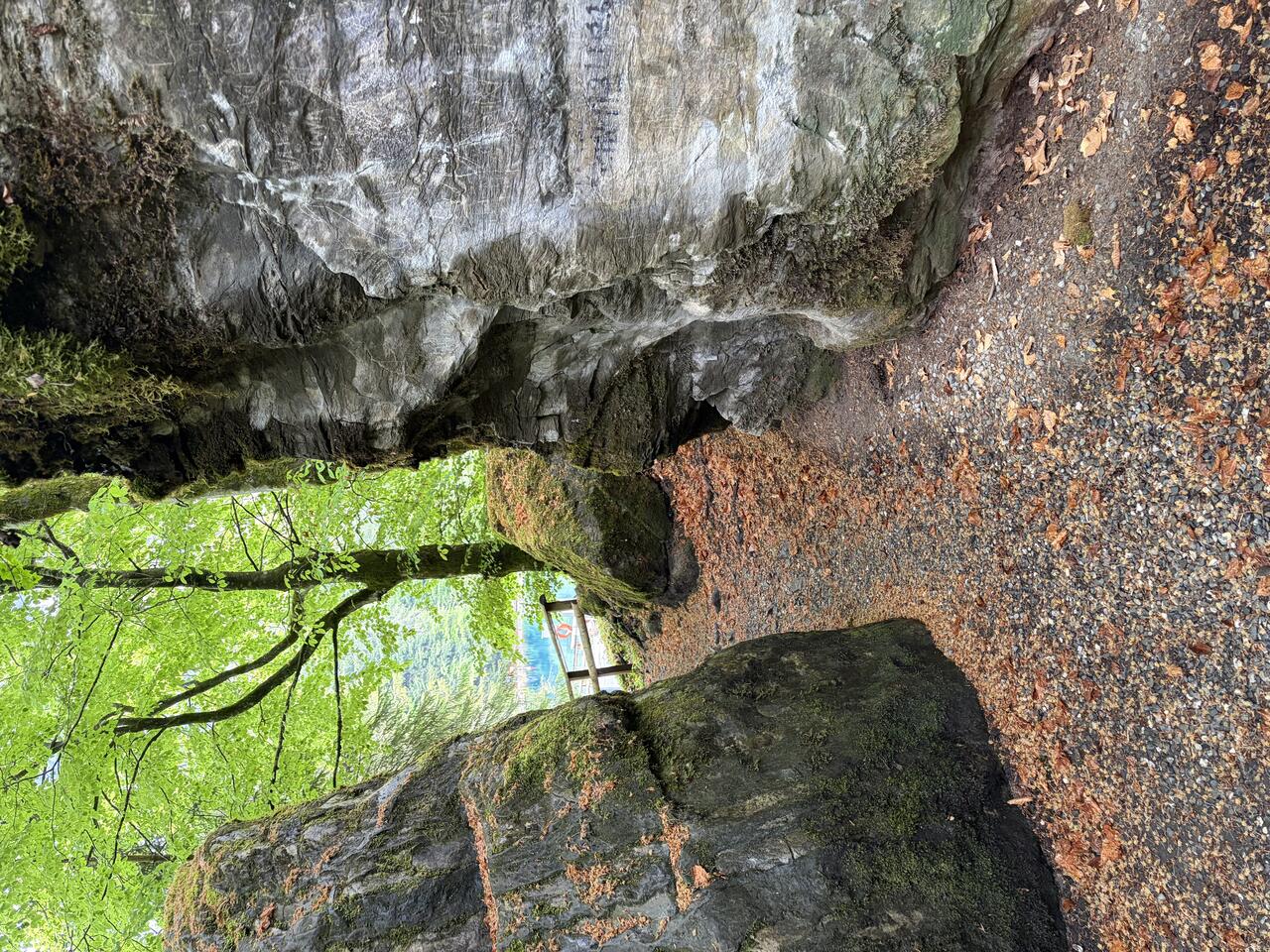
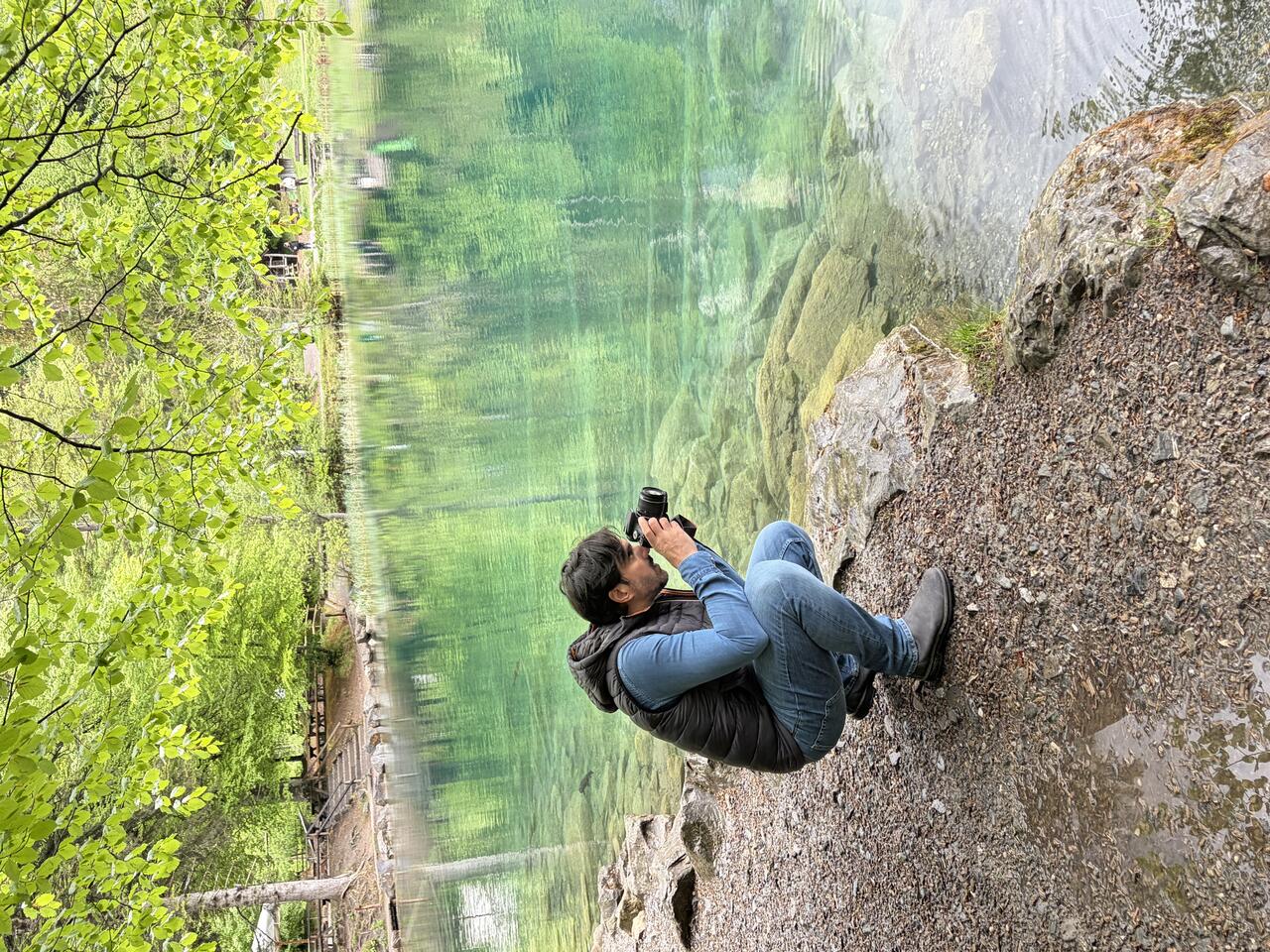
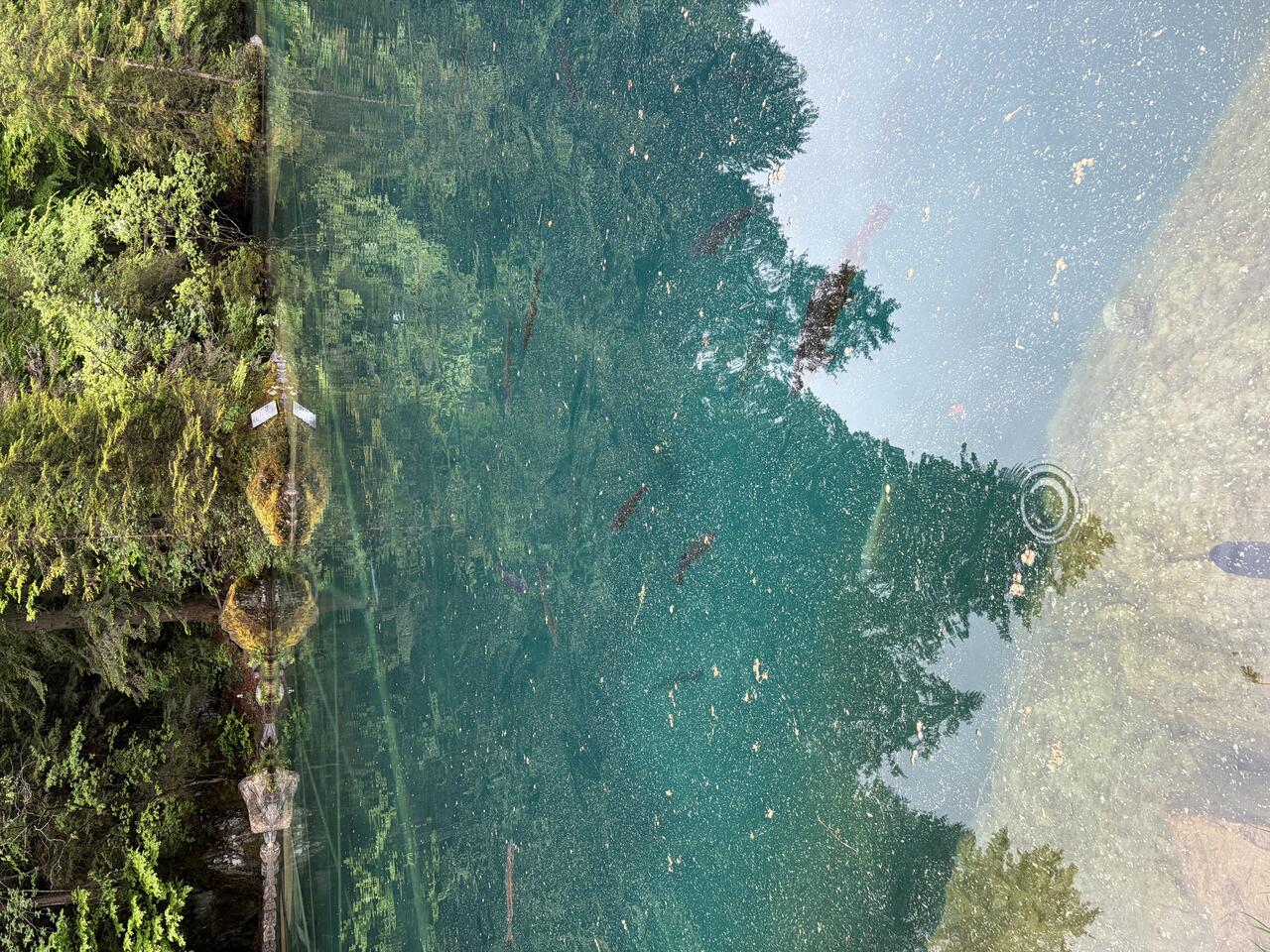
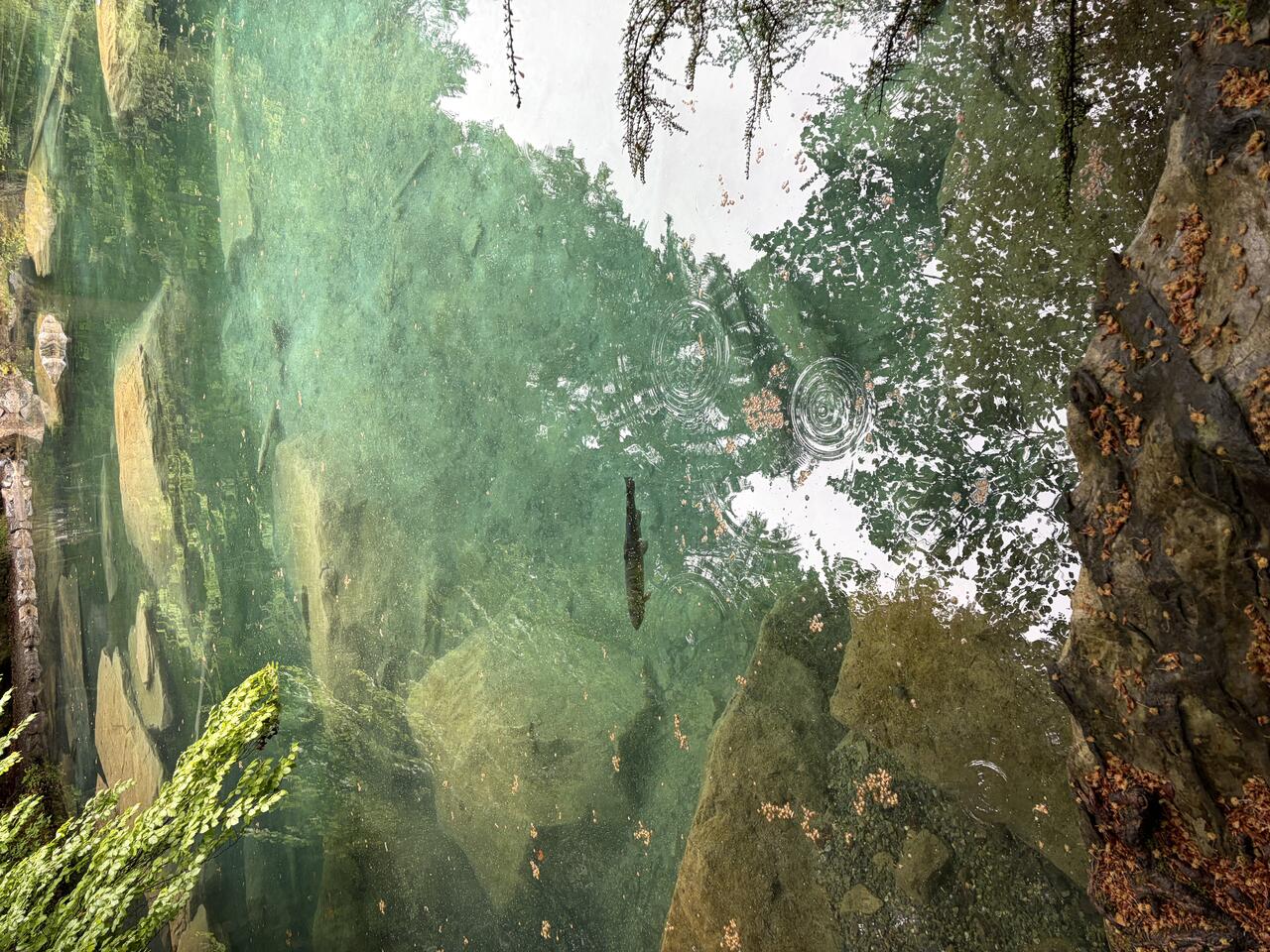
A walk around the lake is quick, following the road or small cross-country trails through a lush forest dotted with massive moss-covered sandstone boulders. The setting is lush, and the small lake with its distinctive color comes into view, nestled between towering cliffs. Large trout have made it their playground, and both fishing and swimming are prohibited. At the far end, a waterfall and a torrent are also worth seeing. As you walk around the lake, you can see from a distance the immense cliffs that surround the famous Lake Oeschinen.
History and Legends of Lake Blausee
Tucked away in the Bernese Oberland, Lake Blausee is much more than just a natural site; it is a place steeped in mystery and legend. This small lake, formed nearly 15,000 years ago following a landslide, impresses with its deep blue water contrasting against the mountains, giving it an almost surreal appearance. But it is not just its beauty that fascinates; it is also the tragic story surrounding it.
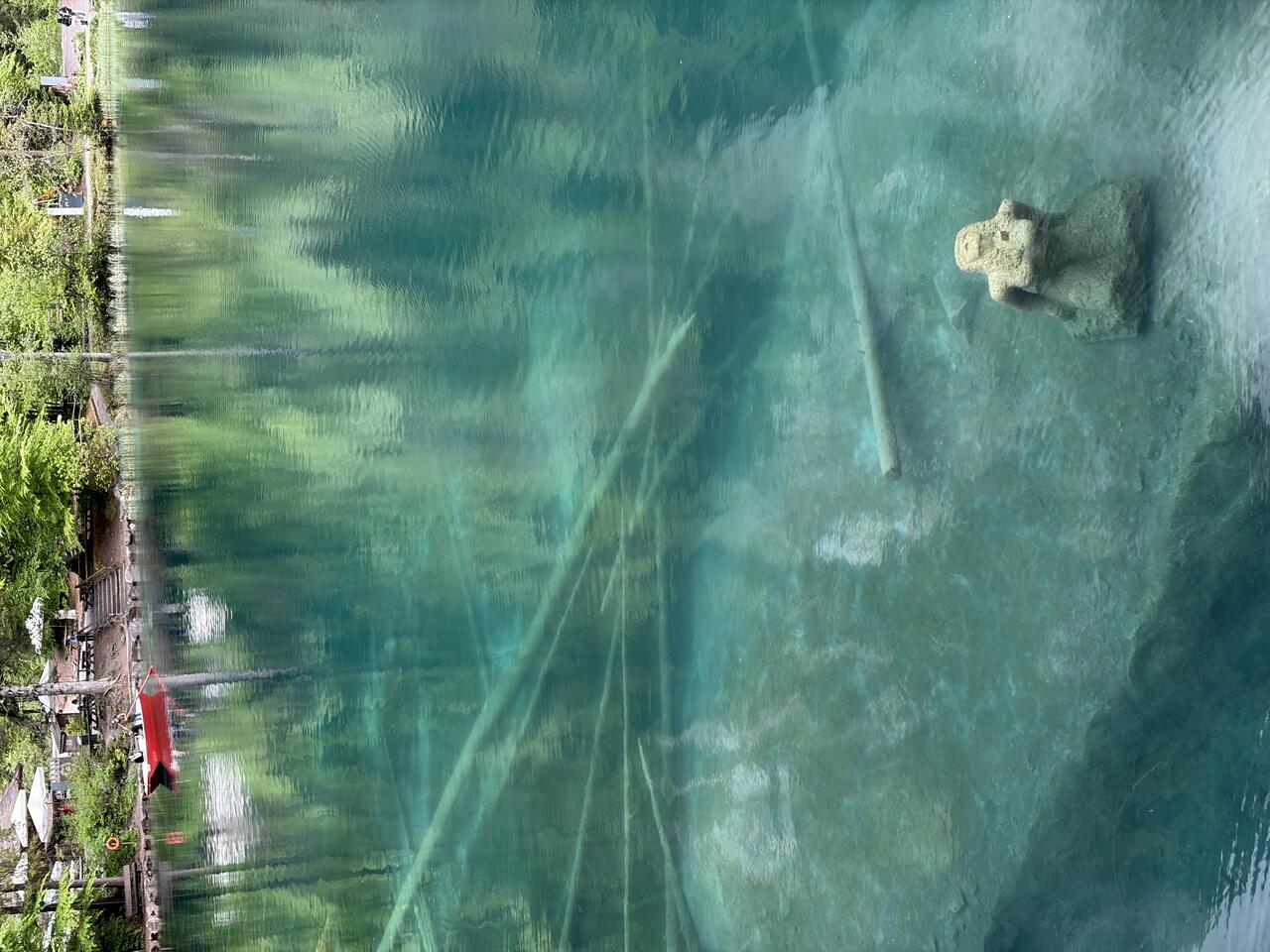
The submerged statue of the Blausee is a must-see feature of this enchanting site in the Bernese Oberland. It is directly linked to a tragic local legend that explains the turquoise color of the water.
According to legend, a young girl, deeply in love, lost her beloved. Overcome with grief, she is said to have succumbed to her sorrow and drowned in the lake. It is said that the sapphire-blue color of the water comes from her tears, which have been forever imprinted in the lake.
Marco CamilloniTravel Lover
In fact, the lake is fed by underground springs, which means the water is constantly refreshed and remains clear. The groundwater is naturally filtered, helping to maintain the water’s purity.
Blausee is a true haven of peace for nature lovers, ideal for both a leisurely stroll and a quiet break in the heart of the Swiss mountains. Every season has its own charm. In summer, the lake attracts many visitors. The vibrant colors and summery atmosphere make it a popular time of year.
Spring is picture-perfect, with leaves and flowers contrasting beautifully against the blue of the lake. It is undoubtedly the most photogenic season. Photography enthusiasts: The picturesque landscapes of Blausee make it a favorite spot for photographers. The blue reflections of the lake and the surrounding nature provide excellent opportunities to capture stunning images.
Note that this site is open year-round and is very easy to access; you don’t need to be an experienced hiker to visit Blausee—this hike is suitable for everyone.
Hiking at Oeschinensee: A Must-See Alpine Lake in Switzerland
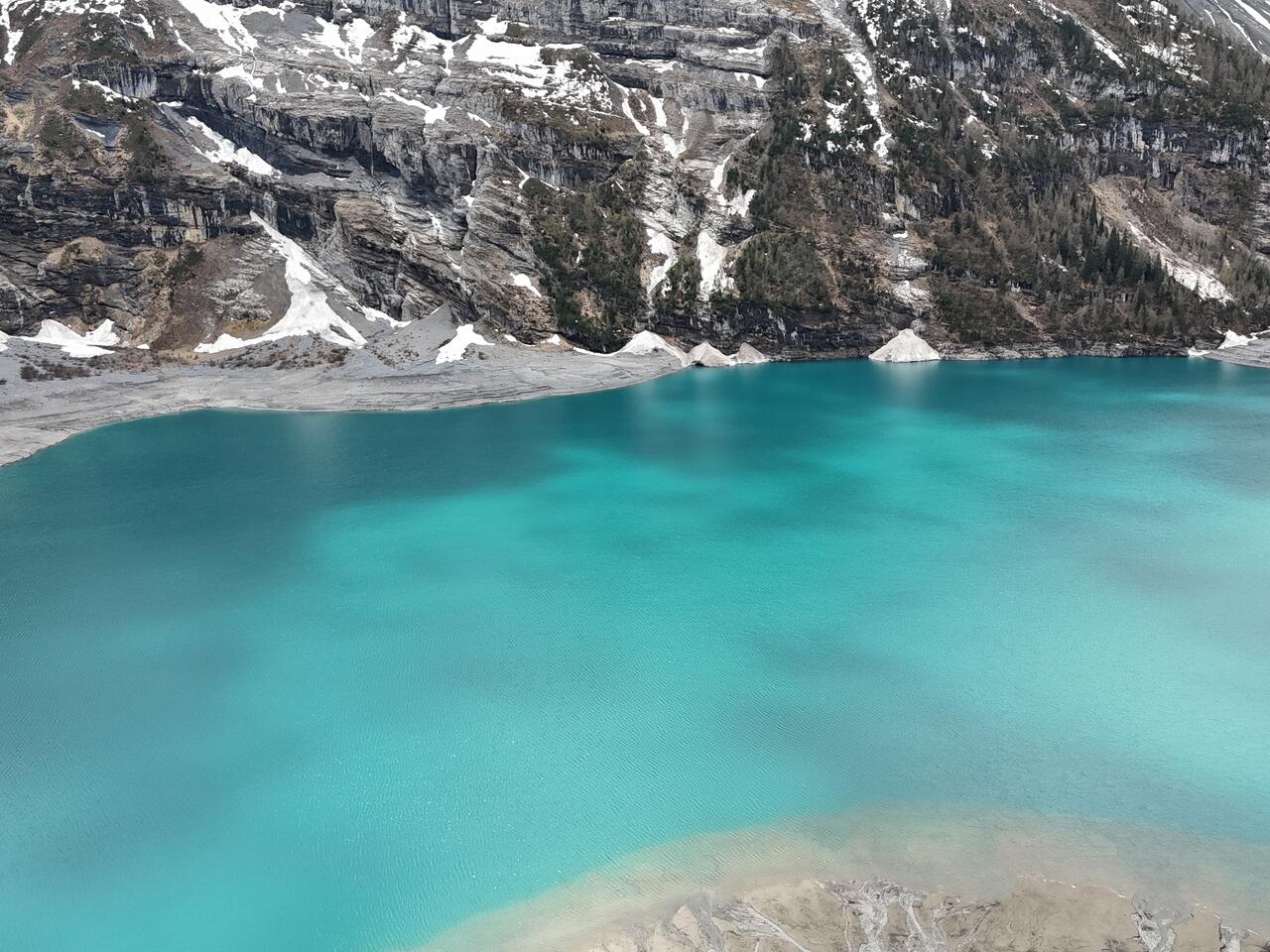
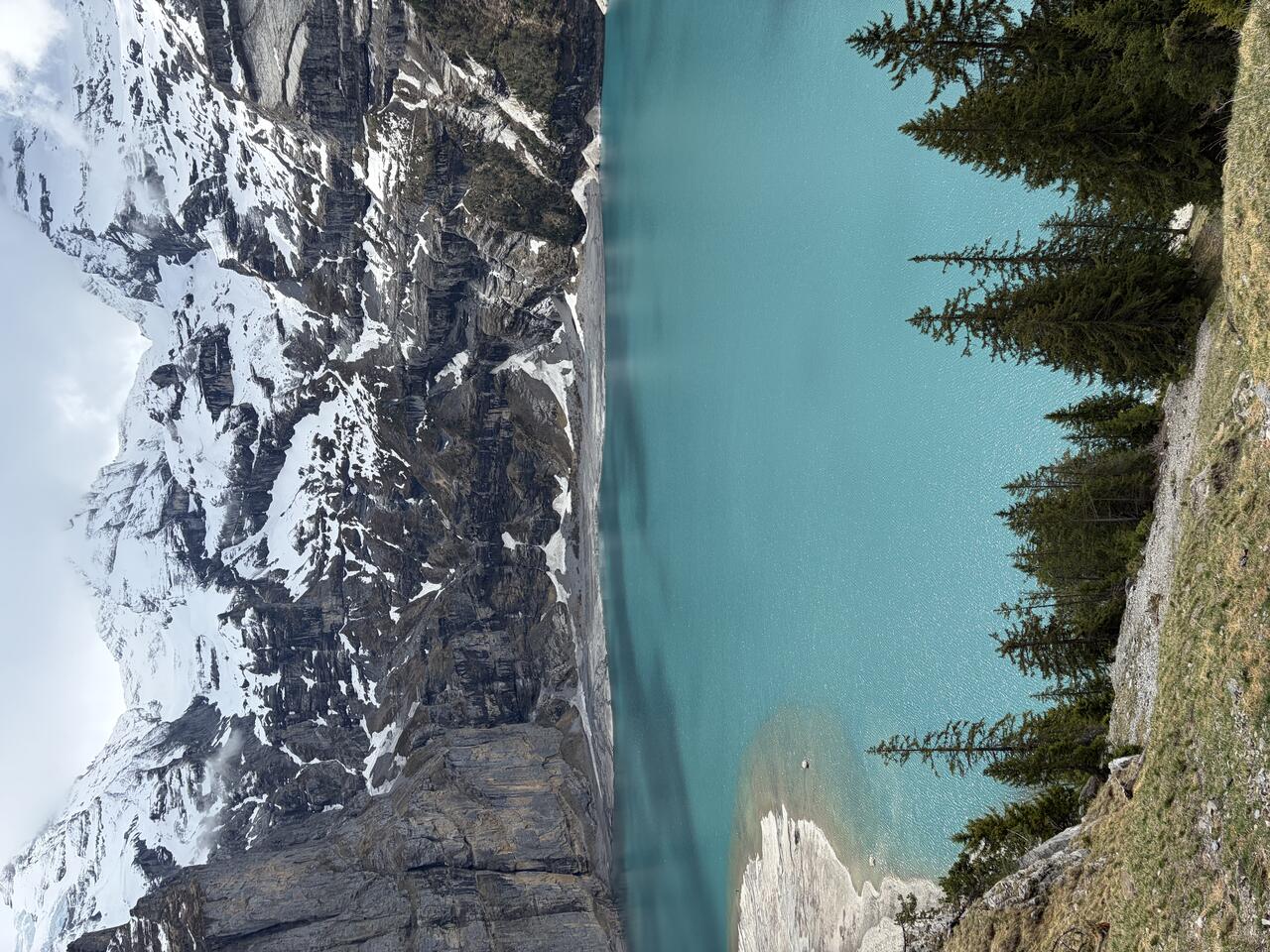
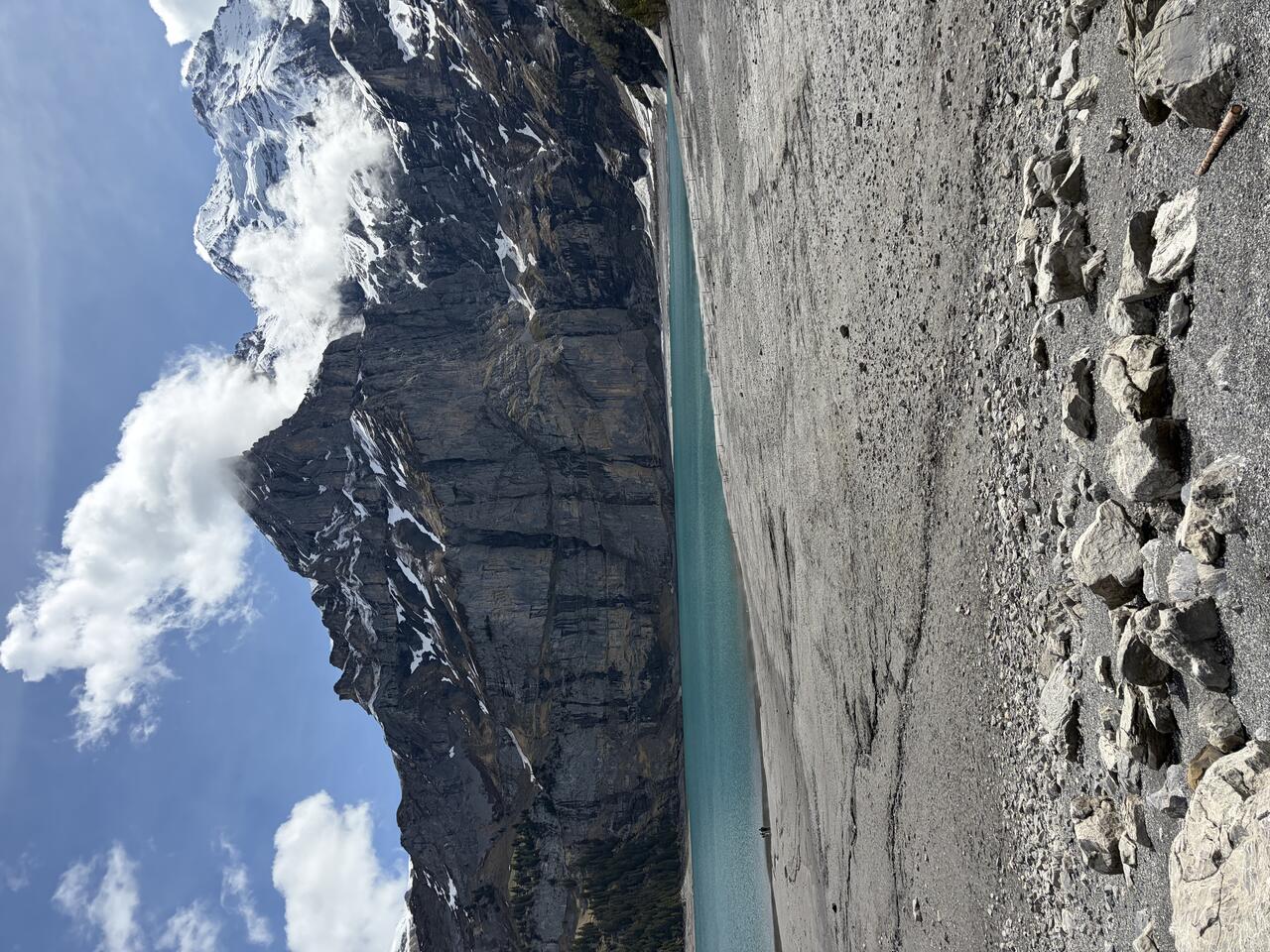
You can never get enough of Switzerland’s lakes, and Oeschinensee — or Lake Oeschinen — is a perfect example: a magnificent glacial lake situated at an elevation of 1,578 meters near Kandersteg, in the canton of Bern, Switzerland. Nestled in the heart of the Bernese Oberland, this mountain lake is considered one of the most beautiful alpine lakes in the country and is a very popular hiking destination.
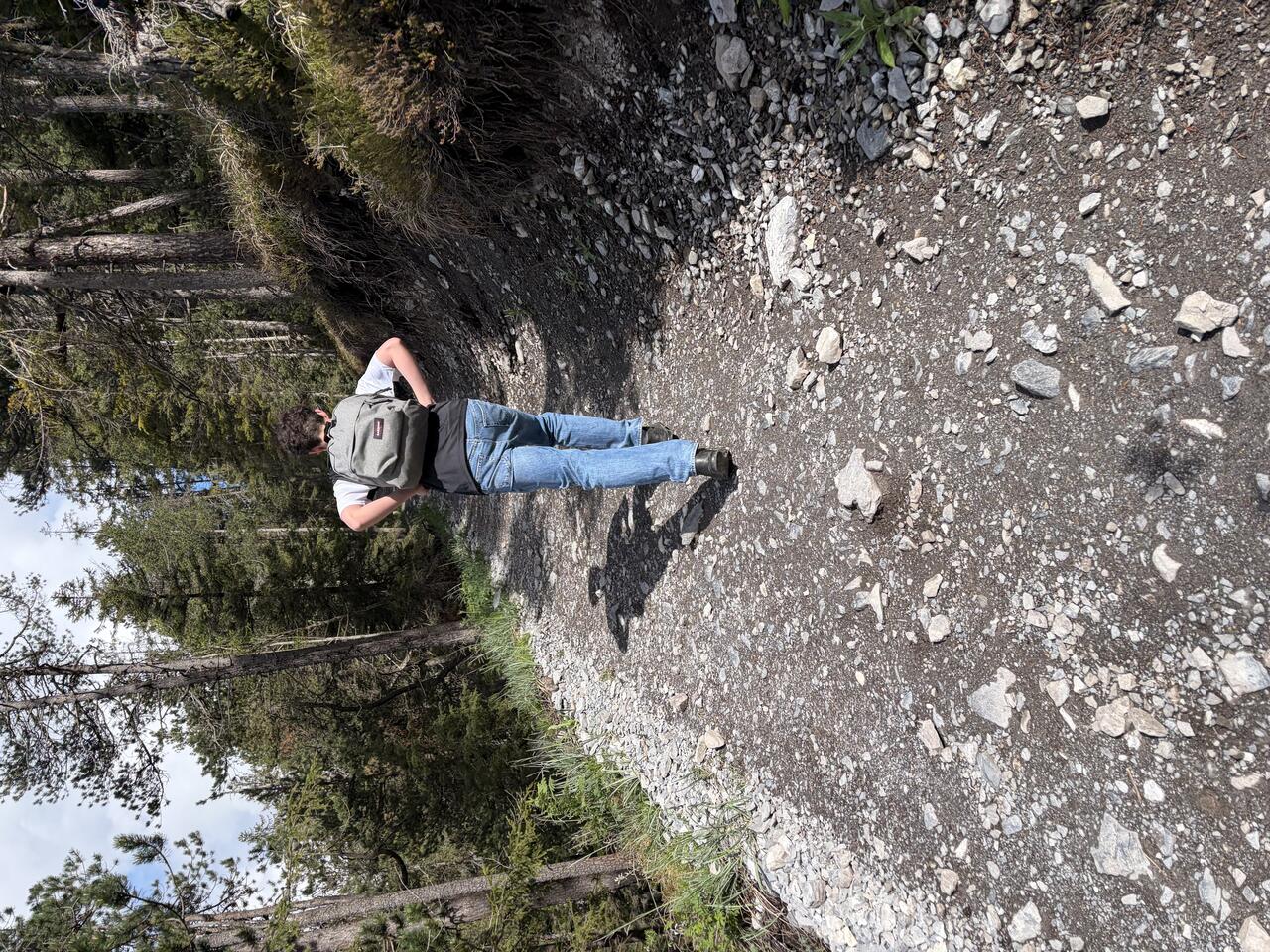
This final hike wraps up our trip to Switzerland. From Kandersteg, you can take the cable car, but once again, it was out of service during the first week of May. All things considered, a real hike is worth the effort. It takes between 1 and 1.5 hours to walk up to Lake Oeschinen. There’s a total elevation gain of 450 meters—in other words, it’s quite a climb. I’ll tell you right now, the effort is significant, but the reward is well worth it.
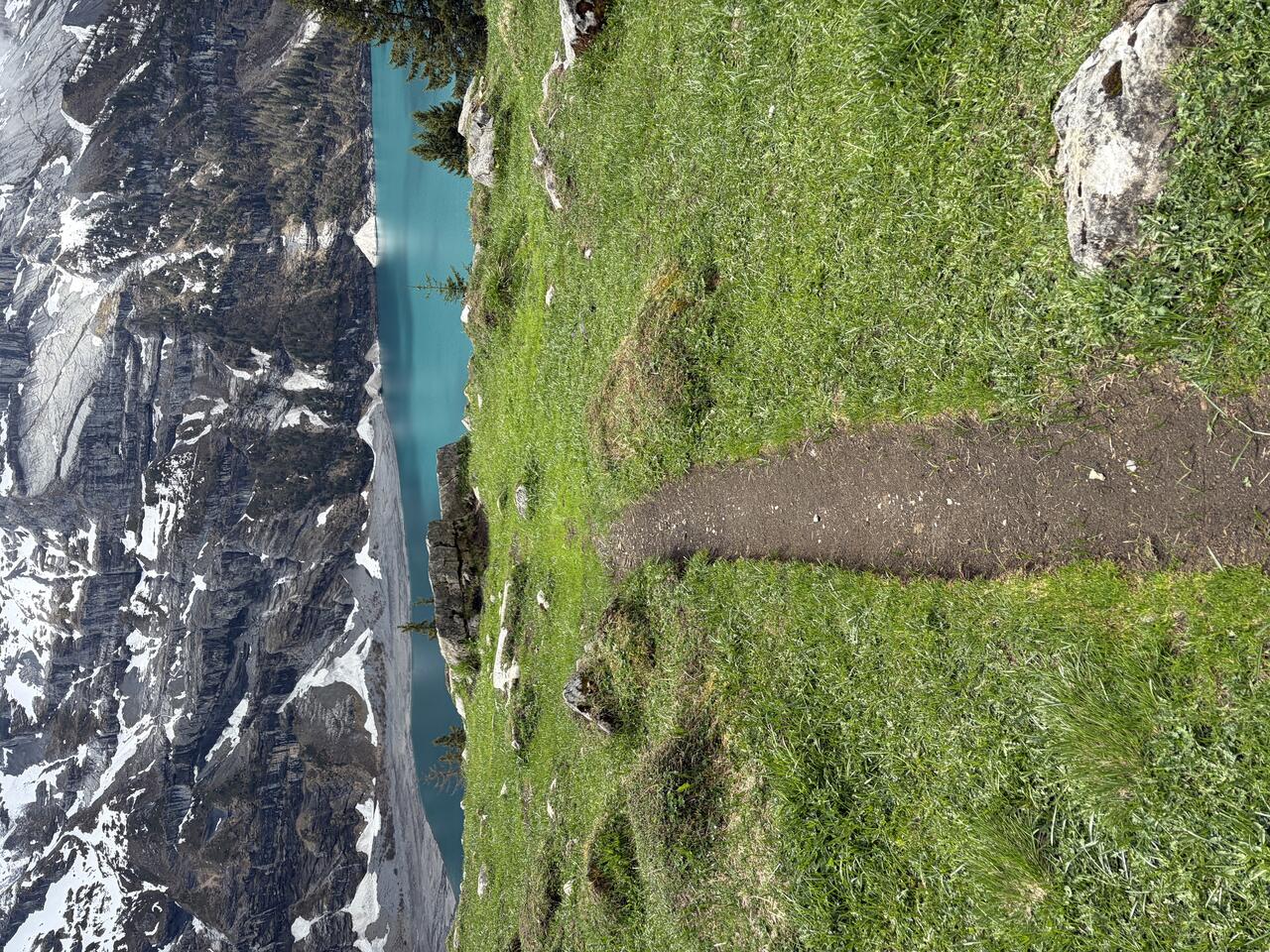
Honestly, this is THE hike we recommend if you’re spending a day at Oeschinensee. This roughly 8-kilometer loop takes you along a trail that climbs high above Lake Oeschinen and offers views you won’t soon forget.
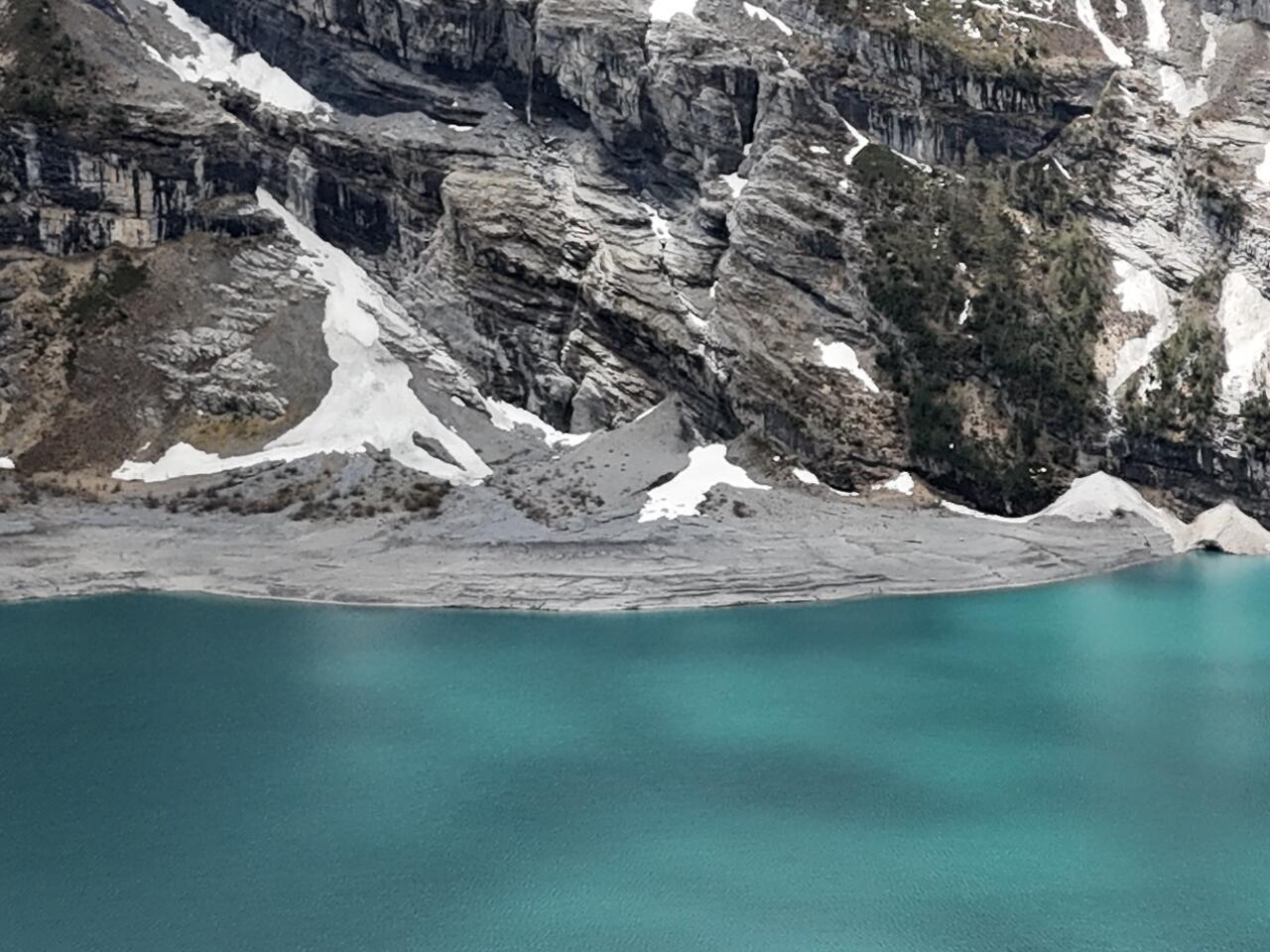
It owes its magnificent turquoise-blue color to the glacial streams that feed it, flowing from the surrounding peaks over 3,000 meters high, such as the Blüemlisalp, the Oeschinenhorn, the Fründenhorn, and the Doldenhorn. Surrounded by cliffs and high Alpine peaks, Lake Oeschinen offers a spectacular landscape that attracts many hikers and mountain lovers every year.
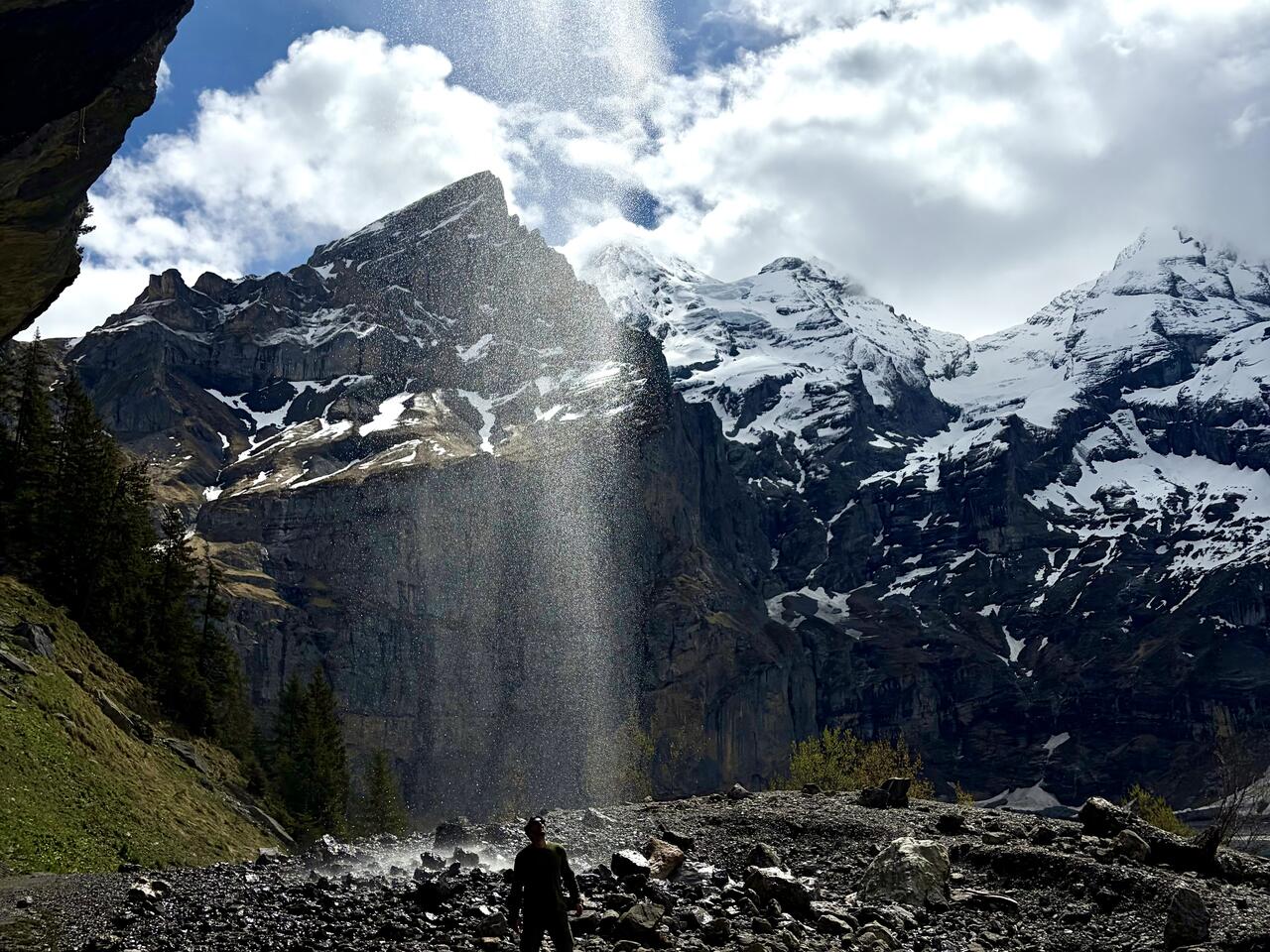
There are also the crystal-clear rivers that flow into the lake from the glaciers via numerous waterfalls. And of course, the blue-green hues that shift with the weather and seasons… making Lake Oeschinen a magnificent sight to behold all year round! After the steepest part of the climb, you reach a balcony-like trail offering breathtaking views of Lake Oeschinen. For me, these are the most beautiful panoramas of Lake Oeschinensee. The 2-kilometer walk to the Oberbärgli mountain pasture and snack bar is pure eye candy.
What makes Lake Oeschinen so special is its emerald color, surrounded by a rocky “wall” from which countless waterfalls cascade.
With a little luck, you might spot some chamois or Alpine ibex.
This hike in the mountains, far from the hustle and bustle of big cities, did me a world of good — a wonderful reconnection with nature, in short. This road trip in Switzerland promises a beautiful atmosphere at first glance. The photos speak for themselves.
Spiez: a charming village on the shores of Lake Thun
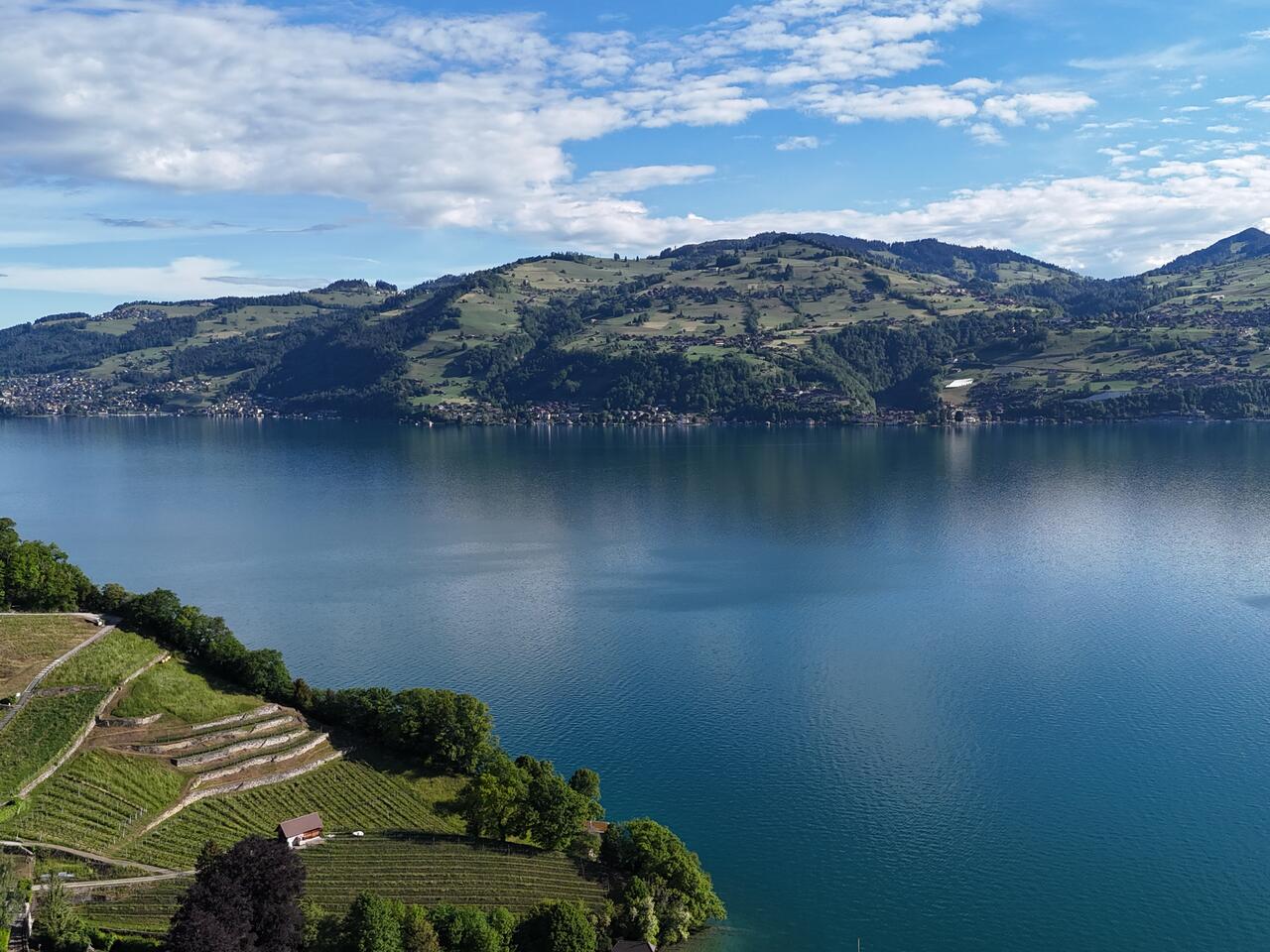
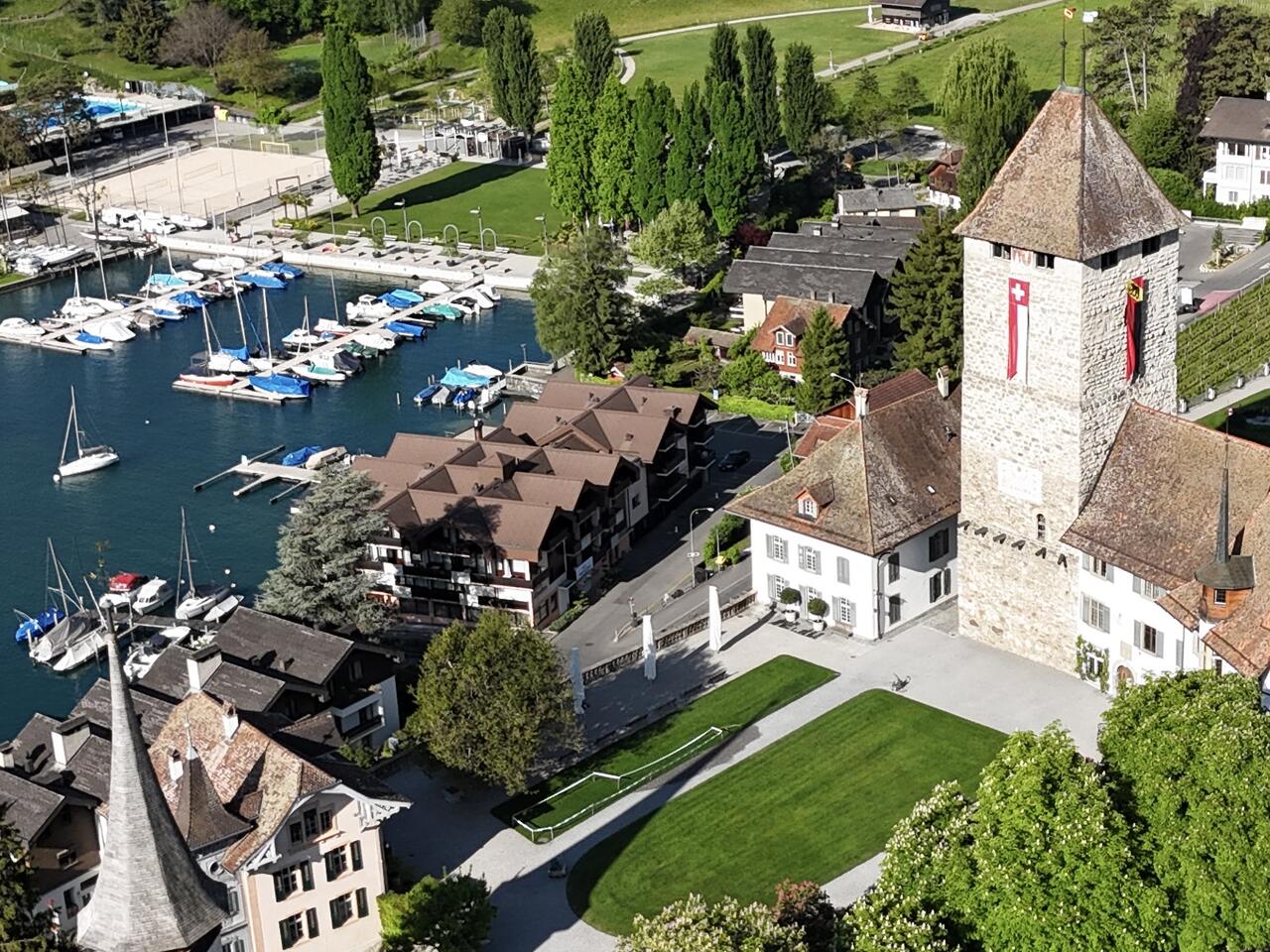
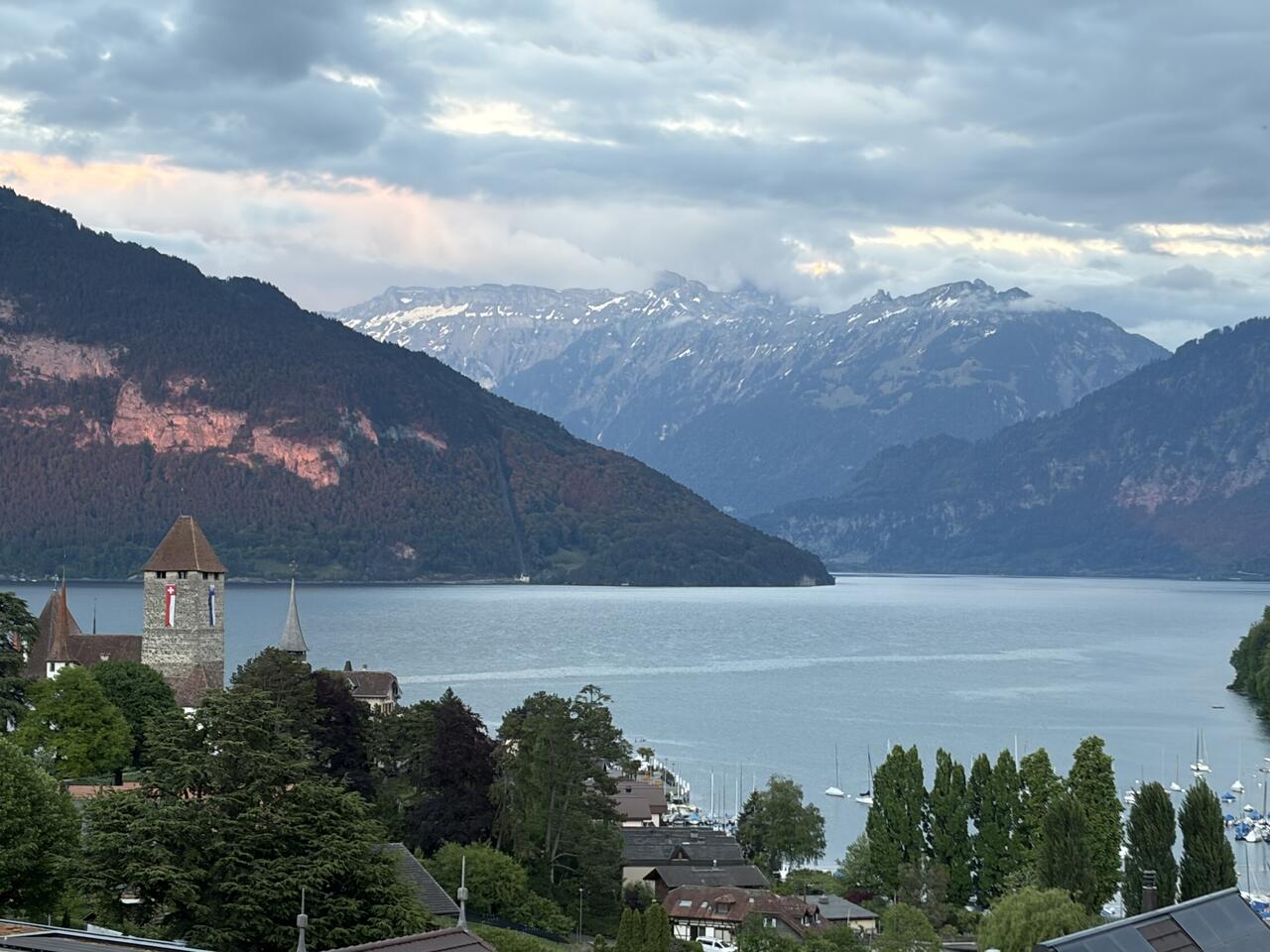
Located in the Bernese Oberland, the small town of Spiez nestles on the shores of Lake Thun, in what many consider to be one of Switzerland’s most beautiful bays. Surrounded by green hills and vineyards, it offers panoramic views of the Alpine peaks, notably the Eiger, the Mönch, and the Jungfrau.
This setting combines the charm of a lakeside village with the proximity of the mountains. Spiez is a destination that attracts visitors for both relaxation by the water and outdoor activities. Its marina, lakeside promenade, and medieval castle form the heart of the visit. The town is also a starting point for exploring the Lake Thun region and the surrounding Bernese Alps.
A stay in Spiez leaves visitors with memories of a perfect balance between rest, escape, and adventure.
This trip to Switzerland reminded us just how full of spectacular scenery the country is. From scenic hikes to alpine lakes with otherworldly colors, mountain villages, and historic towns, each stop offers a different atmosphere.
From the Fronalpstock to Lake Oeschinen, via Bern, Lake Blausee, and Spiez, this itinerary in Switzerland perfectly combines nature, adventure, and more peaceful moments.
Switzerland is easy to explore by car and offers breathtaking views at every turn. It’s an ideal destination for lovers of hiking, wide-open spaces, and travel that brings you close to nature.
Switzerland Itinerary: 5 Must-See Places Between Bern and the Bernese Oberland
We love to travel: tailor-made tours crafted for adventure
At We love to travel, every journey is unique, crafted according to your desires and designed just for you. With an in-depth understanding of each destination, we create exclusive itineraries for authentic experiences. Forget the standard paths and discover the world your way.






 Marco Camilloni Travel Lover